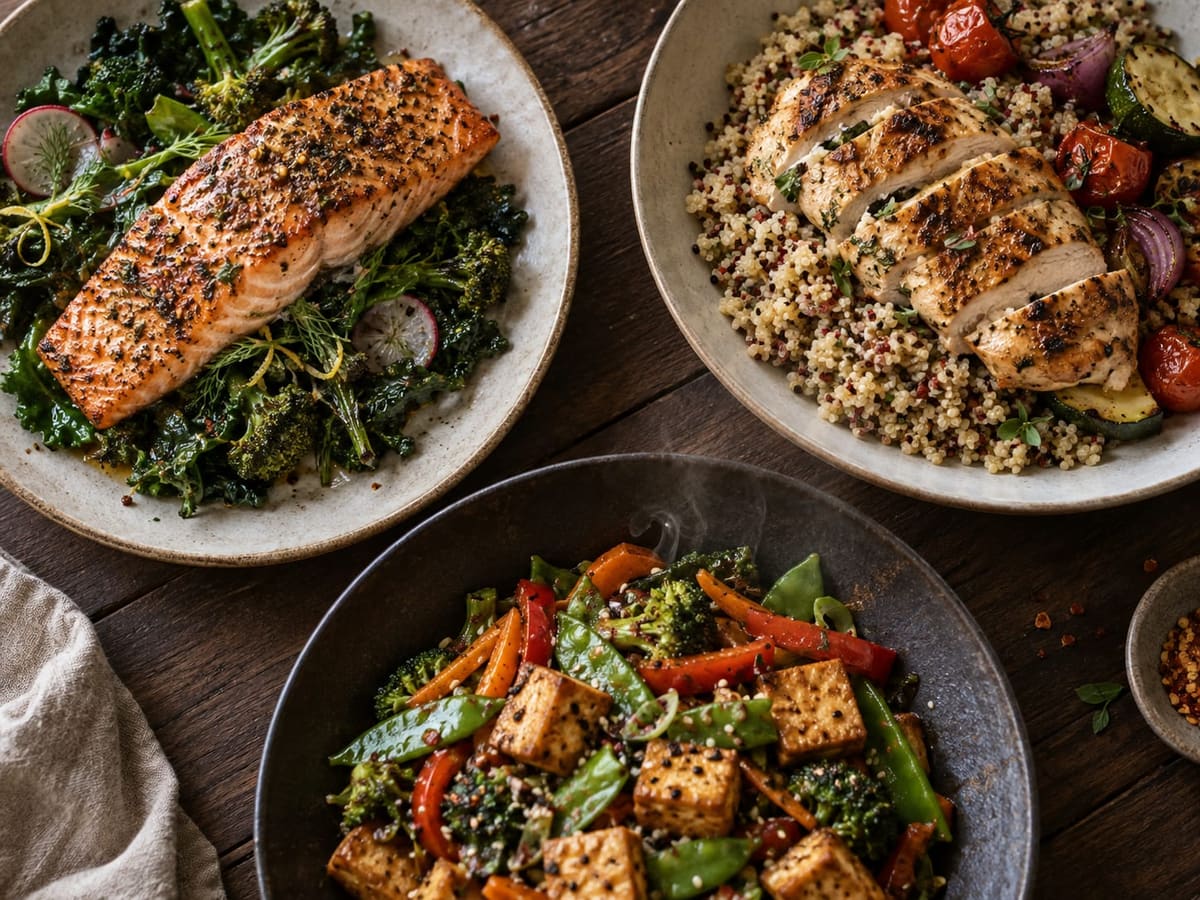
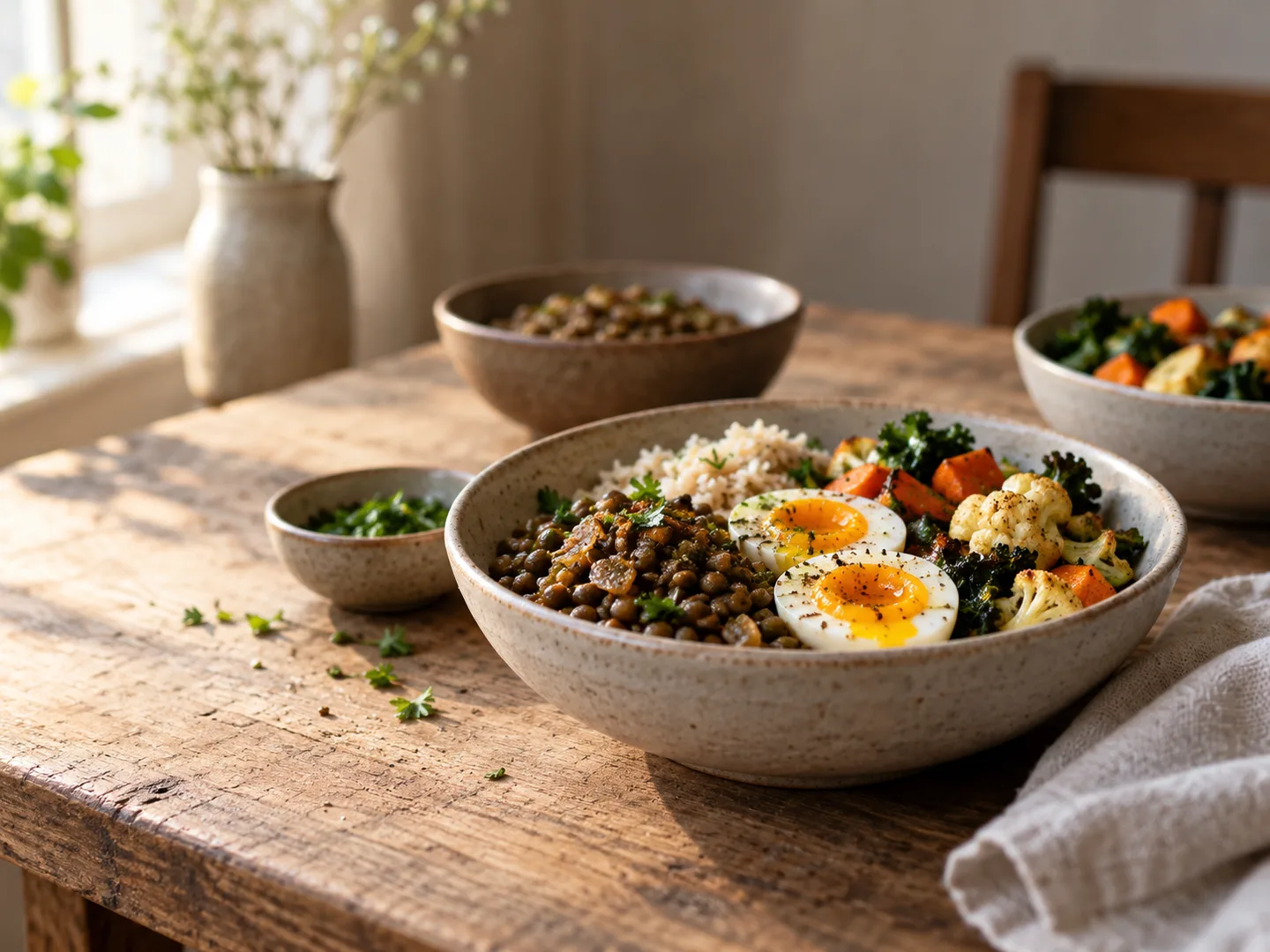
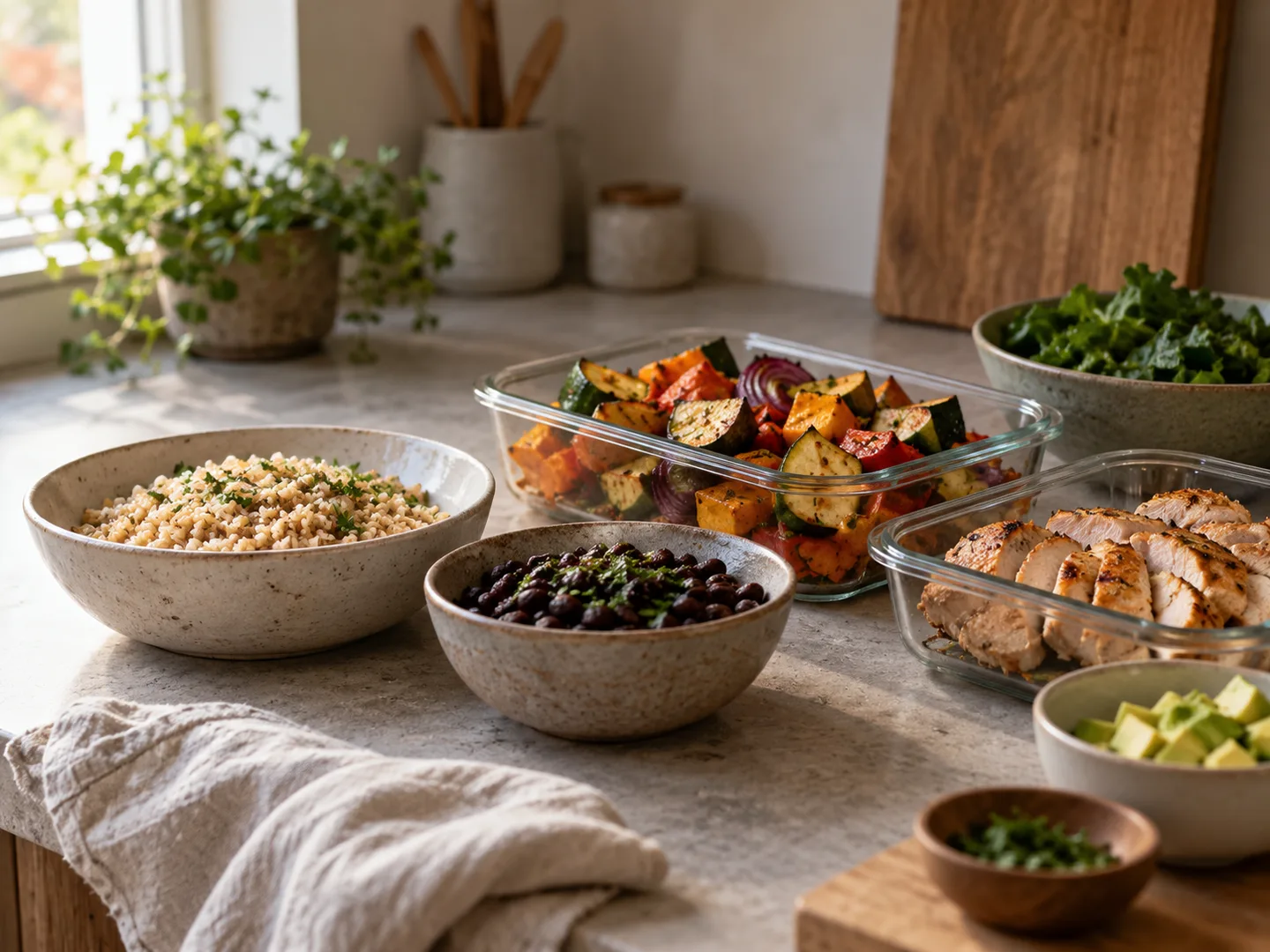
Protein breakfast ideas without protein powder
Build a breakfast you enjoy with eggs, yoghurt, tofu or beans, without treating every morning as a supplement routine.
 Luca4 min read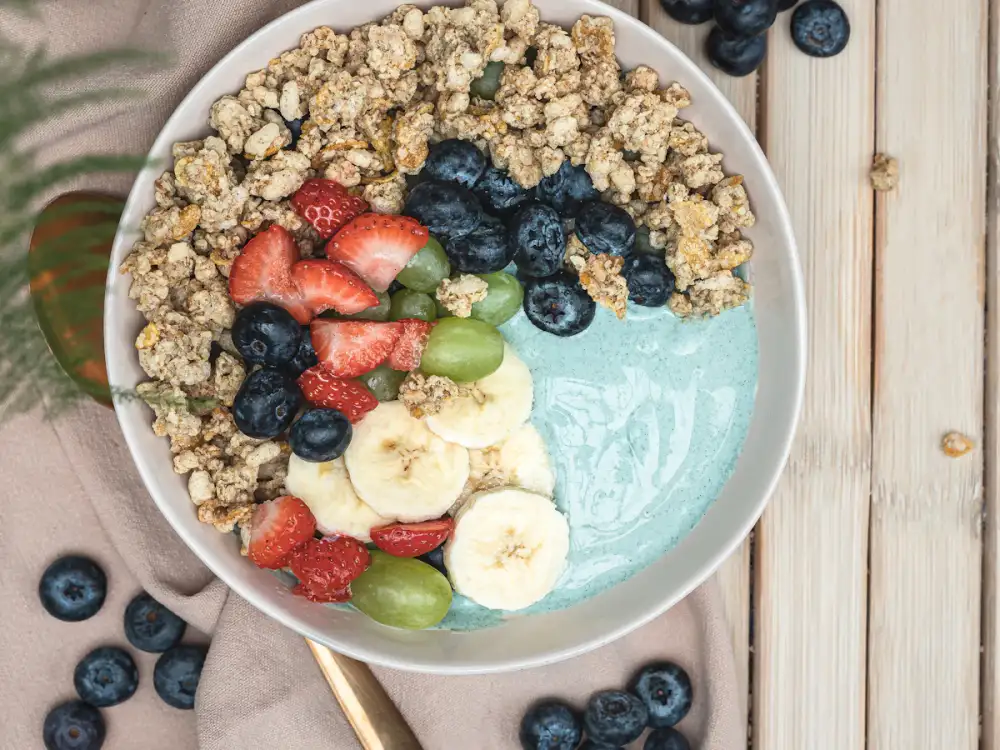
A breakfast does not need a scoop of powder to include protein. Start with a familiar protein-containing food, then build a meal you actually want to eat. Eggs, yoghurt, tofu and beans can suit different tastes, budgets and cooking arrangements. The ideas here are flexible meal combinations, not tested recipes or menus with calculated nutrition. Your portions and the products you choose determine the actual amounts. Use them as a starting point, then adjust to your appetite and routine.
Choose the main ingredient before buying extras
The NHS balanced-diet guide includes foods such as eggs, pulses and dairy among useful parts of a varied diet. Breakfast can draw on those ordinary foods rather than relying on a product marketed specifically for fitness. There is no need to add every possible protein ingredient to one bowl. Choose one you enjoy and can keep available, then decide what makes the meal complete and pleasant for you.
If you prefer a savoury breakfast, begin with eggs, beans or tofu. If you prefer something cool and quick, consider yoghurt with oats and fruit. A person who dislikes sweet food does not need to learn to love a smoothie, and a person without a hob does not need a daily omelette plan. Our protein powder guide explains where a supplement can be convenient, but convenience is a choice rather than a breakfast requirement.
| Protein-containing base | Build the meal | Make mornings easier |
|---|---|---|
| Plain yoghurt | Oats, fruit and a topping you enjoy | Keep ingredients ready to assemble |
| Eggs | Toast and tomatoes | Choose a cooking method you already know |
| Tofu | Scrambled with vegetables, served with bread | Prepare vegetables ahead safely |
| Beans | Toast with a cooked vegetable side | Use a suitable ready-cooked option |
| Cottage cheese | Bread or a baked potato with vegetables | Choose sweet or savoury additions to taste |
Compare labels when the product changes
The FDA label guide explains how serving size relates to the values shown. Two yoghurt pots can differ in both size and protein content; plant-based alternatives also vary. Compare the same amount, then think about the portion you normally eat. A large protein claim on the front is not a complete description of the food. Our label-reading article shows how to make the comparison without turning the supermarket aisle into a calculation exercise.
Price and enjoyment belong in that comparison. If a more expensive product tastes unpleasant to you, a cheaper familiar option may make the routine more dependable. Avoid assuming a larger tub is better value if it regularly goes unfinished. Keep one standard choice and one backup for weeks when the shop is out of stock. This is usually easier than designing a completely new breakfast around every special offer.
Build the rest of the meal around your morning
Protein is one part of breakfast. Bread, oats, fruit, vegetables and other ingredients can add variety and make the meal fit your appetite. If your current breakfast leaves you wanting more soon afterwards, consider the whole portion and the timing of your next meal rather than blaming one nutrient. You do not have to force a large meal before you feel ready, and no single breakfast guarantees a particular energy level or body-weight change.
Try changing one familiar meal: add yoghurt alongside your usual oats, use a savoury topping on toast, or make a tofu option when that suits your diet. Keep the flavour combinations ordinary enough to repeat. Cinnamon, herbs, tomatoes or a topping you enjoy can make the meal feel like breakfast rather than a nutrition assignment. If you want measured protein targets, our protein-per-meal guide discusses the evidence and its limits.
Prepare only what you can store safely
The FoodSafety.gov cold-storage chart distinguishes foods and storage times; it does not give every prepared breakfast one shared shelf life. Follow the guidance for your actual ingredients and keep perishables chilled. Label prepared food with the date if it helps you remember. Do not assume that adding yoghurt or a cooked egg to a container makes it safe to leave on a desk until lunch.
For a low-effort routine, set out the bowl, spoon and shelf-stable ingredients before bed, then add chilled ingredients when you eat. If you commute, consider refrigeration at the destination and suitable cold transport. You can also keep breakfast separate from the main weekly cooking session. A meal assembled in the morning may suit you better than preparing several identical portions in advance.
Pick one breakfast to repeat
Choose one combination from the table and make it work with food you already buy. Note what slowed you down: washing a pan, chopping ingredients, finding a clean container or running out of the main ingredient. Fix that practical obstacle before adding more recipes. After a few ordinary mornings, keep the parts you enjoyed and change the rest. The best breakfast routine is useful enough to survive a busy day, with flexibility for appetite, culture and what is available in your kitchen.
Try this week
0 of 3 doneSources
- Eating a balanced diet. NHS.
- How to understand and use the Nutrition Facts label. FDA.
- Cold food storage chart. FoodSafety.gov.
Pass it on
XBlueskyEmail