Do you actually need protein powder?
What protein powder can do, what it cannot do, and how to decide whether a tub is worth the space in your kitchen.
 Arjun5 min read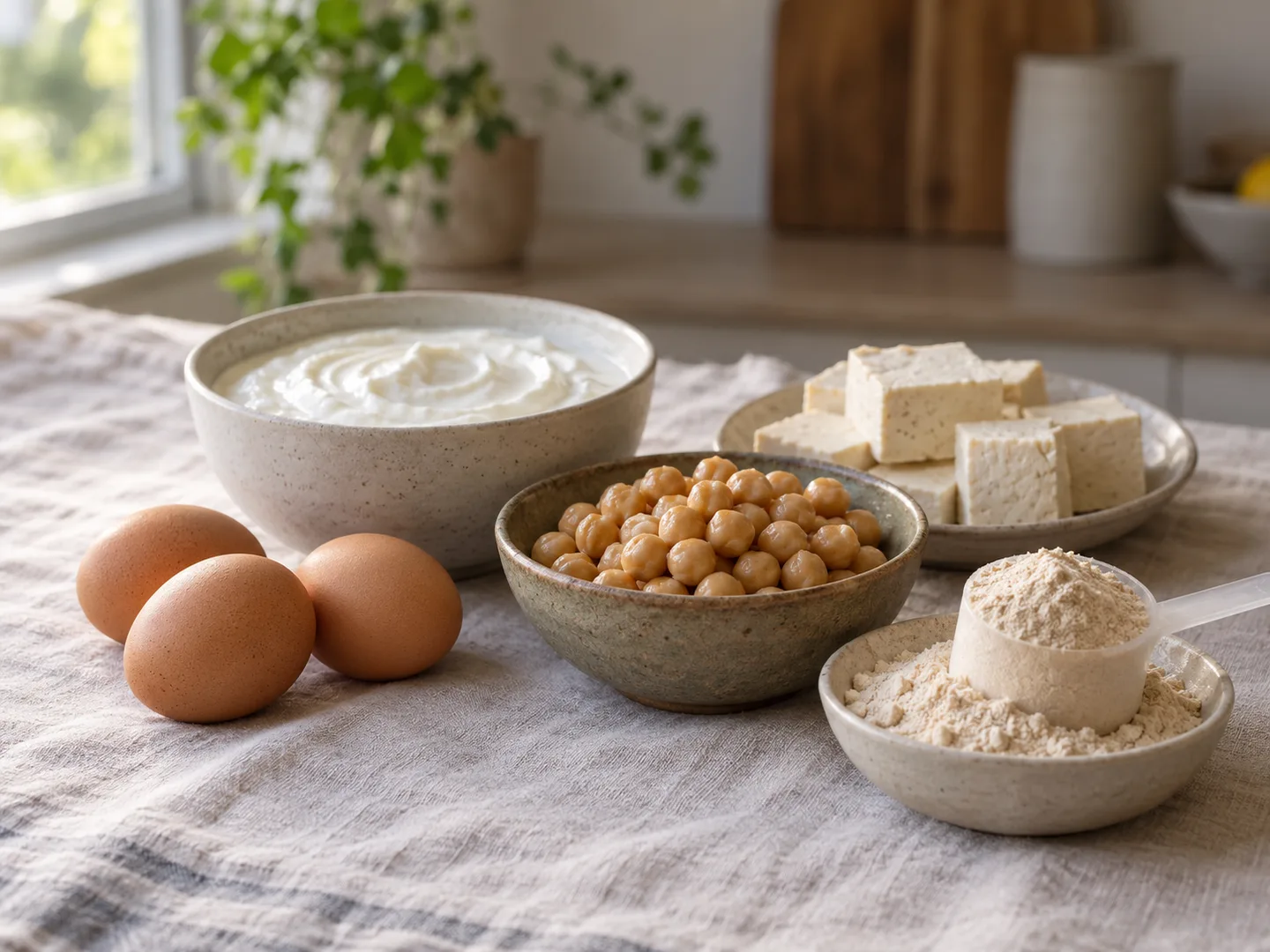
In this article
A better buying question
Is there a gap to fill?
Protein from food counts. A powder can help when food is inconvenient, not because it has a special muscle-building power.
Regular food
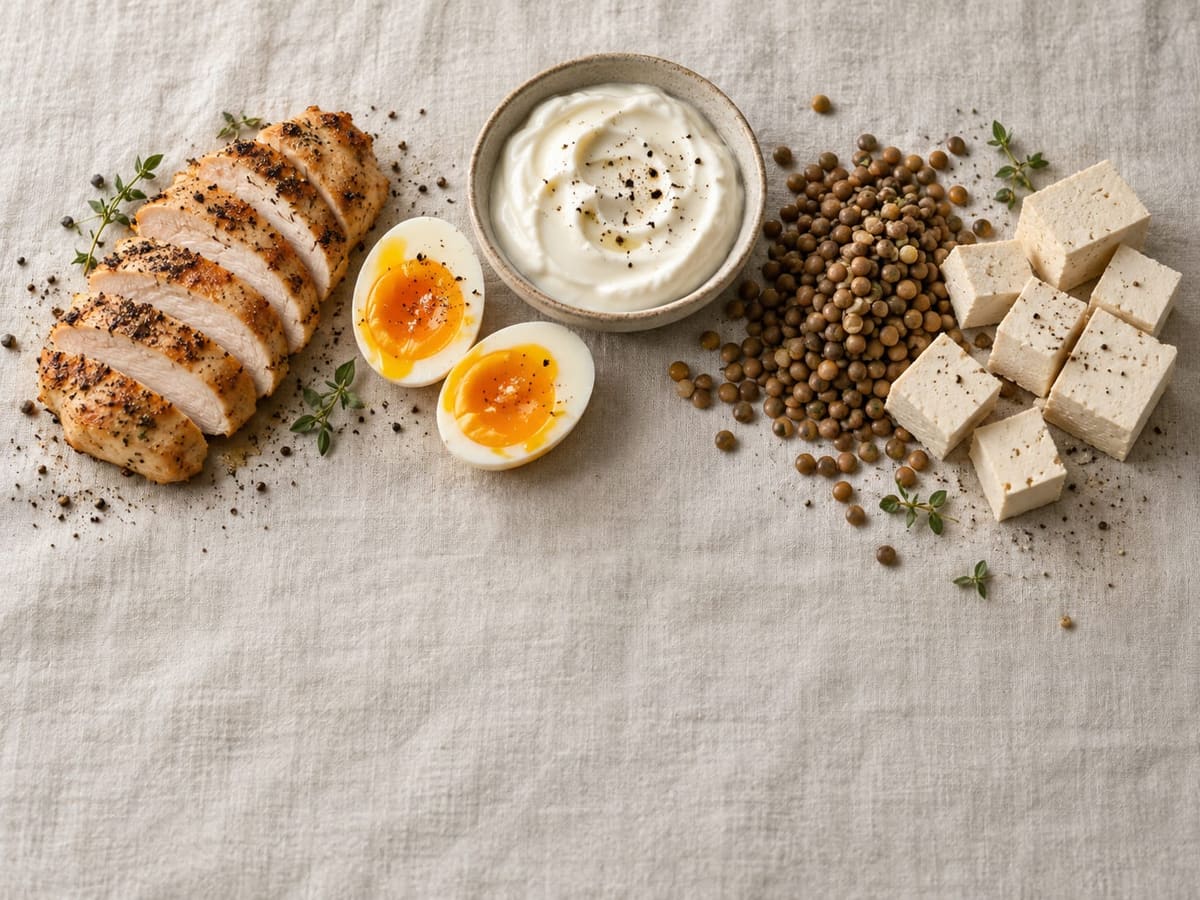
Meals with eggs, pulses, tofu, fish, dairy or other protein foods can meet the same daily goal.
Powder for convenience
A portable option when a meal or snack is genuinely hard to fit into your day.
Picture the familiar decision at the end of a workout: buy a shake, go home for lunch, or worry that you have missed a brief window for building muscle. Protein powder marketing makes the answer sound urgent. The useful question is less dramatic. Are you already eating enough protein across the day, and would a powder make that easier? If the answer to the second part is no, you can skip it. A scoop is a food product in a convenient form, not a requirement of exercise.
What powder does, and what it does not
Protein supplies amino acids, the building blocks the body uses for many jobs, including muscle repair. A powder can add protein to a meal or snack with little preparation. It does not replace resistance training, sleep, or sufficient food overall. A shake also has no special claim to the protein your muscles receive: eggs, dairy, tofu, beans, fish and other foods contribute too. The NIH Office of Dietary Supplements explains that athletes can get additional protein from food and, if needed, supplements. The phrase “if needed” matters.
“Protein is necessary to build, maintain, and repair muscle.”
Supplements are often studied by giving one group extra protein while another group does not receive that extra amount. If the first group improves more, it is tempting to credit the powder itself. But the main difference may be that one group finally had enough protein. A systematic review of resistance-training trials found that supplementation can increase gains in muscle size and strength, while also reporting a point beyond which adding more protein gave no further benefit in its data. Its participants and methods varied. That finding supports meeting a sensible total, not buying more tubs indefinitely.
Start with your usual meals
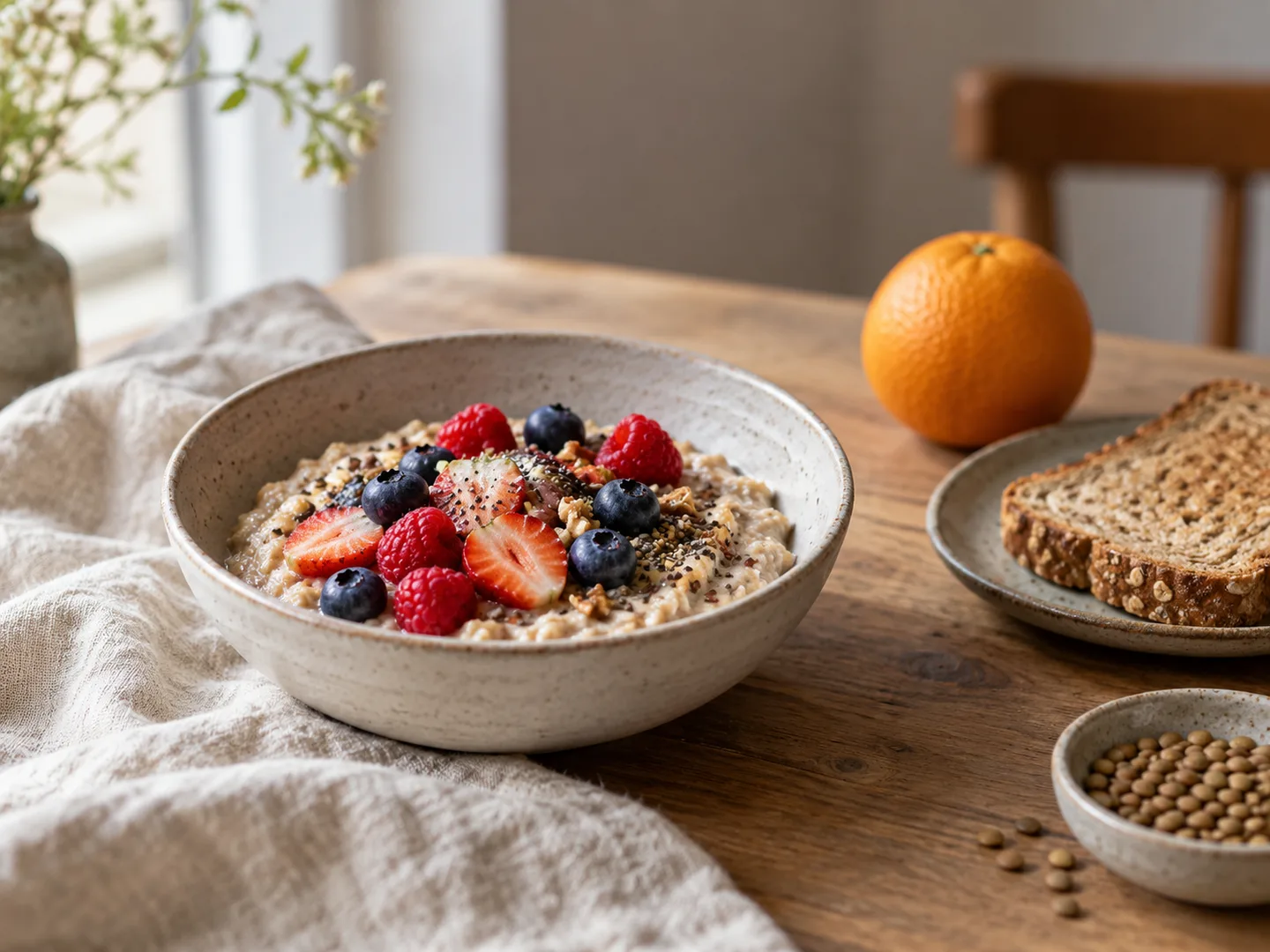
Before shopping, look at a few ordinary days. Where does protein already appear? A breakfast with yoghurt or eggs, a lunch with lentils or chicken, and a dinner with tofu or fish may cover your needs without any powder. If breakfast is mostly toast and coffee but dinner is substantial, you could add food at breakfast rather than force a shake after the gym. The answer depends on your body size, activity, appetite and the rest of your diet. The NIH fact sheet describes a higher daily range for athletes than the basic recommended allowance for healthy adults. That range is not a prescription for every person who takes a walk.
The right total is more useful than policing every meal. Our guide to protein per meal explains why a large dinner is not simply wasted and why the old hard-cap story is misleading. If you are trying to gain strength, start with regular training and enough food; the powder decision comes after that. If you are eating less overall, a convenient protein source may help you keep meals balanced, but it cannot make an overly restrictive plan healthy. People with kidney disease, other medical nutrition needs, or a history of disordered eating should get individual advice before changing protein intake.
When a powder is genuinely useful
Convenience is a real benefit. Perhaps you leave early, have little appetite after training, travel often, or cannot carry a full meal. A shelf-stable powder can bridge a gap. It can also be mixed into porridge or a smoothie if that is easier to eat than another large plate. For a vegetarian or vegan, it may be one way to reach a personal protein target, but it is not the only way; soy foods, pulses and varied meals still count. If food already covers you comfortably, the supplement offers little reason to spend more.
It helps to compare a powder with the food it would replace, not with an imaginary perfect diet. A yoghurt pot or a carton of milk may provide protein plus other nutrients and be easier to enjoy. A powder may be cheaper per gram in one shop and more expensive in another. Consider cost per usable serving, not a large headline number on the front of the pack. Flavour, stomach comfort and whether you will actually use it matter too. There is no prize for forcing down a product you dislike. The more-protein collection includes meal-based options.
Choosing one without buying the hype
Read the ingredient list and the protein amount per serving, then notice the serving size. Whey and casein come from milk; soy, pea and other plant powders offer different options. If you have a milk allergy, lactose intolerance or another food restriction, check ingredients and allergen statements carefully. A product with a long list of stimulants, herbs or dramatic promises is answering a different question from “how can I add some protein?” Simpler is often easier to assess. Claims such as “anabolic” or “instant recovery” cannot tell you whether your overall intake is adequate.
Regulation depends on the country and the way the product is sold. In the United States, the FDA says it does not approve dietary supplements for safety and effectiveness before sale. That does not mean every product is unsafe, but it does mean packaging is not the same as independent proof. Competitive athletes also face sport-specific rules and should check their governing body's guidance before using supplements. If medication, pregnancy or a medical condition is involved, ask a qualified health professional about the specific product rather than relying on a trainer's recommendation or an influencer's discount code.
A sensible decision this week
Take three normal days and note the meals you actually ate. Do not edit them to look better. If protein already appears regularly and you are eating enough, you may have no gap to fill. If one part of the day is consistently thin, try a familiar food first. If carrying or preparing that food is the obstacle, a plain powder may be worth testing in a small quantity. Judge it by whether it solves your practical problem, fits your budget, and agrees with your stomach. You do not need to drink it within minutes of finishing a workout, and you do not need to keep using it once your routine changes.
Sources
- Dietary Supplements for Exercise and Athletic Performance — Health Professional Fact Sheet. NIH Office of Dietary Supplements.
- Effect of protein supplementation on resistance training-induced gains. British Journal of Sports Medicine / PubMed, 2018.
- FDA 101: Dietary Supplements. US Food and Drug Administration.
Pass it on
XBlueskyEmail