How much protein can your body actually use in one meal?
The 30-gram ceiling gets repeated everywhere. We went back to the absorption studies to find out where the number came from — and what it really means for how you plan your day.

In this article
You have almost certainly been told that your body can only use about 30 grams of protein per meal, and that anything past that is wasted. It turns up in gym advice, in app notifications, and in the marketing for protein powders sold in servings of exactly that size. The number is not invented, but it has been stretched a long way from what the original research measured.
The short version: there is no hard ceiling at which protein stops being absorbed. There is a softer, more interesting point at which the extra protein in a single sitting stops adding much to muscle building. Those two things are not the same, and conflating them is where most of the confusion starts.
Absorption and use are different questions
Your small intestine is extremely good at its job. Protein is broken down into amino acids and short peptides and taken up over several hours, and the rate at which that happens is measured in grams per hour, not grams per meal. A large meal simply takes longer to digest; it does not hit a wall and get passed through. Clinical nutrition is built on this fact, which is why people recovering from illness can be fed large single doses when they need them.
So the honest framing of the 30-gram claim is not about absorption at all. It is about muscle protein synthesis, the process by which your body uses amino acids to build and repair muscle tissue, and about how much of a single dose goes into that process rather than being used for energy or other tissues.
What the dose-response work shows
Taken together, the dose-response studies point in a reasonably consistent direction. The muscle-building response to a single dose climbs quickly, then gives diminishing returns. The point at which it levels off seems to depend on a few things:
- Body size and how much lean mass you are feeding. Bigger people generally need a bigger dose to reach the same plateau.
- Age. Older adults tend to respond less to a small dose, and often need more per meal to get the same effect, which is sometimes called anabolic resistance.
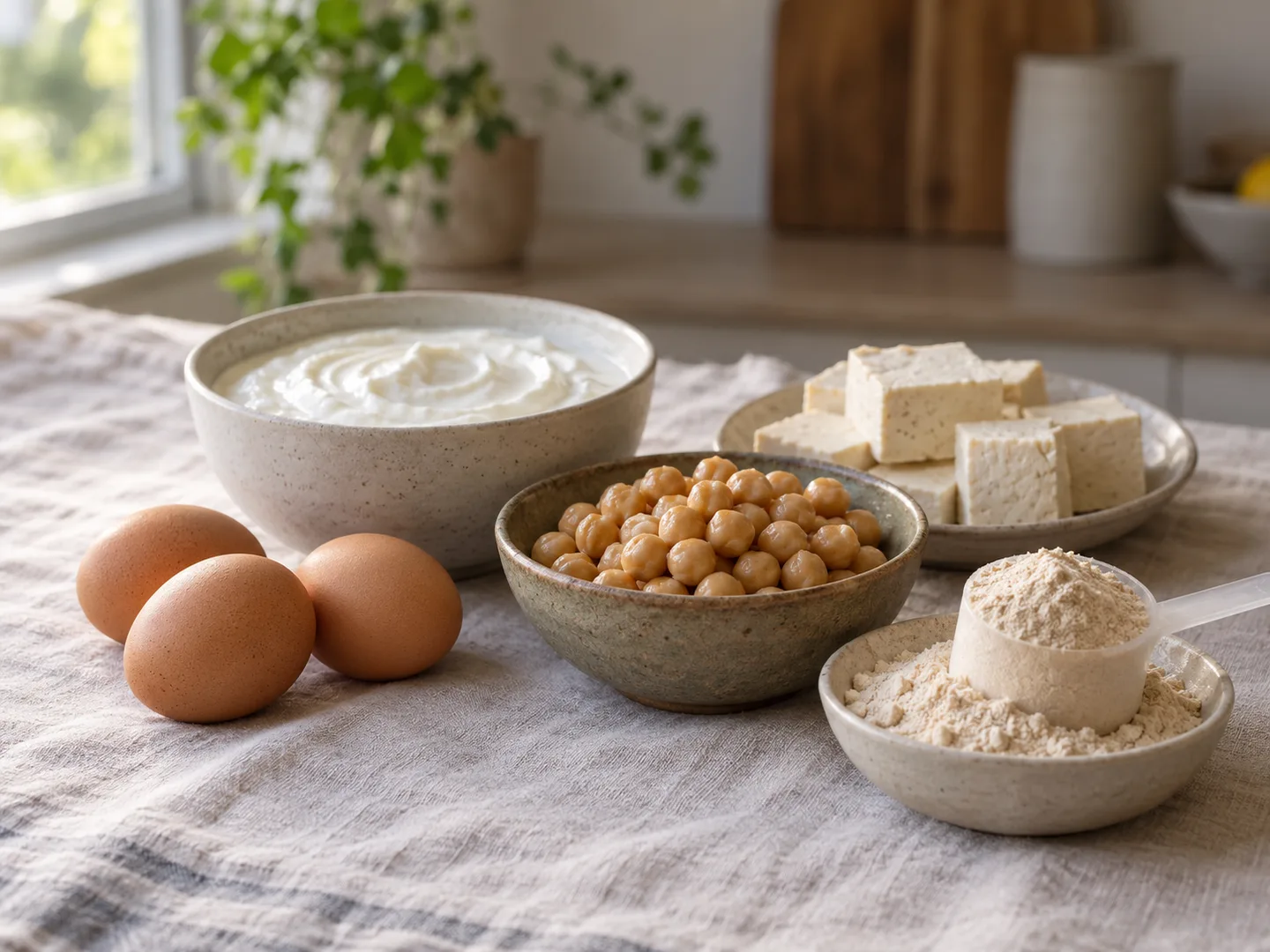
- Protein quality, particularly leucine content and how fast the protein digests. Whey is quick, casein and whole foods are slower.
- Whether the meal is protein on its own or part of a mixed meal with fat and fibre, which slows everything down.
Newer work using a much larger protein dose and a longer measurement window has complicated the neat plateau. Researchers observed an anabolic response continuing for longer than short-window studies could show. This is a reason to reject a hard 30-gram cap, not proof that very large doses are the best choice for everyone. The study answered a narrow physiological question, while real meals and training routines vary.
Daily total is still doing most of the work
If you want one thing to take away, it is that total protein across the day and enough overall food deserve attention before an exact per-meal number. Research on distribution has not produced one universal schedule for every age, body size and training goal. Protein needs vary; active people may need more than a sedentary adult, while people with certain medical conditions need individual advice. Use a clinician or registered dietitian for a personal target rather than copying a number from an app.
When distribution is worth some attention
Spreading protein out is a modest optimisation, not a requirement, and it is most likely to matter in a few specific situations. If you are older, if you are eating in a deficit and trying to hold on to muscle, or if you currently eat almost all your protein at dinner, then evening out the day is a reasonable change to make. The practical version is unglamorous:
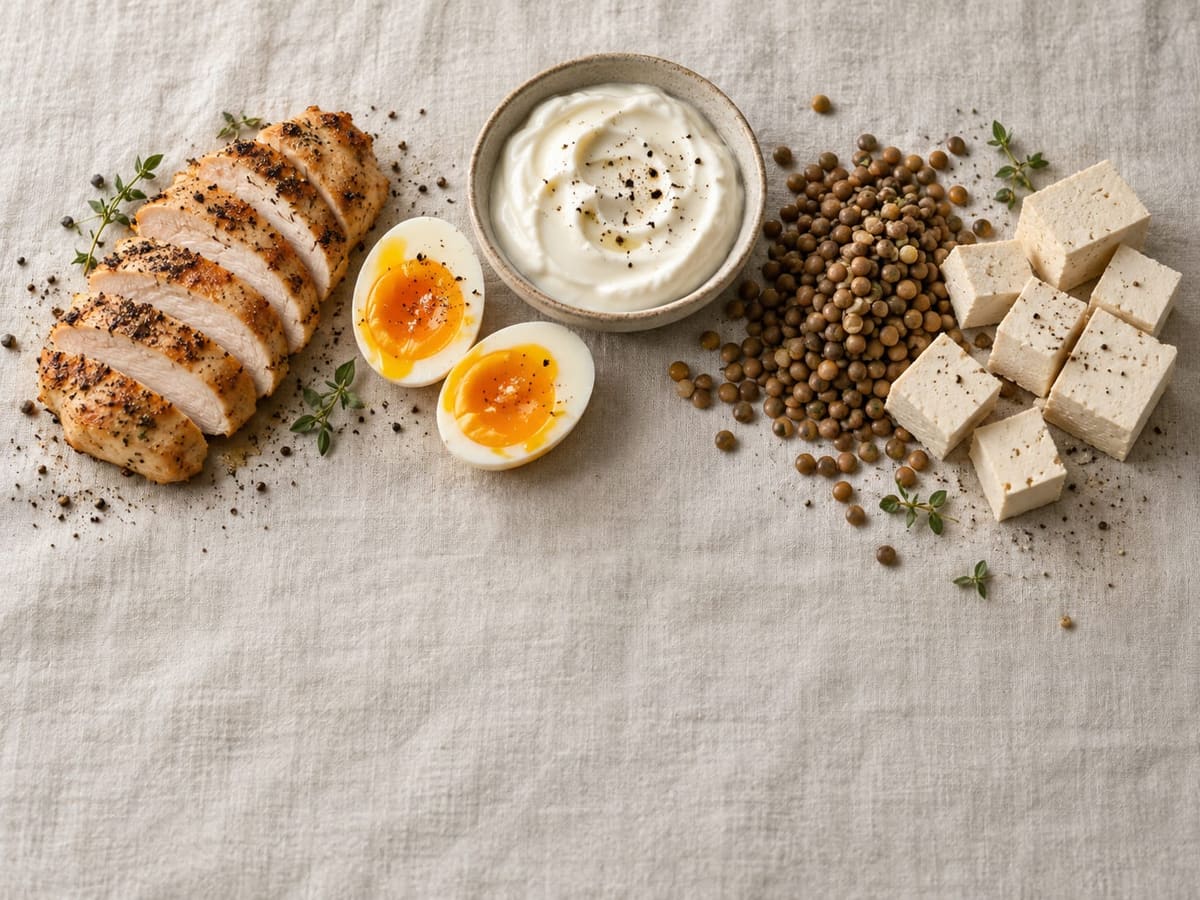
- Include a meaningful protein food at meals you already eat, scaled to your appetite and needs.
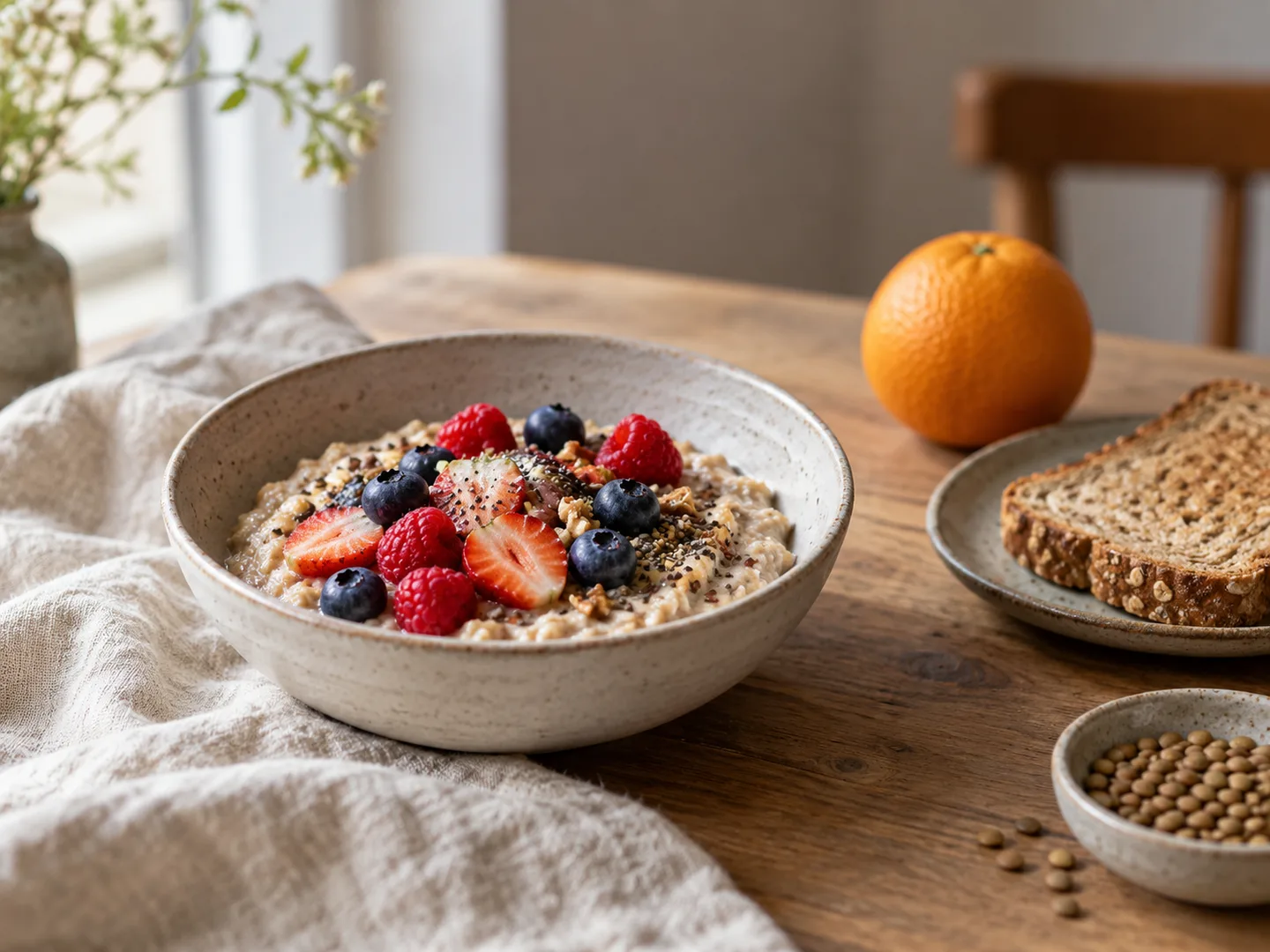
- Fix breakfast first. It is usually the meal carrying the least protein by a wide margin.
- If you only manage two meals a day, make them both substantial rather than trying to force a third.
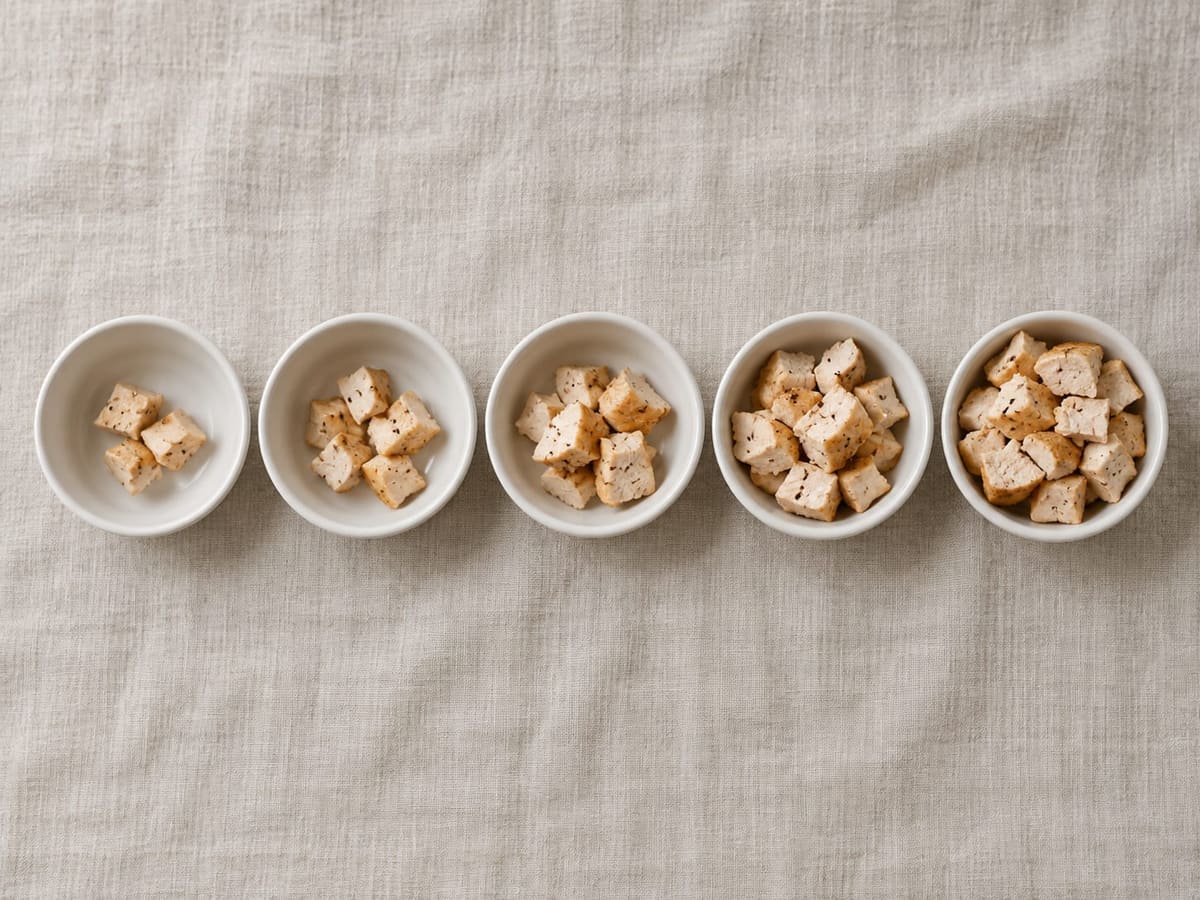
None of this means a substantial dinner is wasted. A meal is used over time for many purposes, and a muscle-protein measurement is not a verdict on its value. If you have kidney disease or another condition where protein intake is managed, follow your clinician's advice. For everyone else, a useful move is to make meals nourishing and stop auditing every bite against an imaginary ceiling.
What newer research adds
A 2023 human study followed responses to 25 g and 100 g of protein after exercise and found that a large dose supported a longer anabolic response than earlier short studies would have captured. That challenges the claim that everything above 30 g is wasted. It does not prove that everyone should eat 100 g at once: the study was controlled, relatively small, and answered a specific question. A review of protein quantity and distribution describes why the optimal pattern is still being studied. Treat per-meal figures as planning aids, not a biological toll gate.
A practical day might put a protein food into meals you already eat and then stop counting each forkful. Our food-first powder guide explains when a supplement might simply be convenient, while the budget protein guide offers ordinary meals that do not depend on one product. If you have kidney disease or another condition that changes protein advice, ask your care team for an individual target. For everyone else, the bigger picture includes enough total food, exercise and a pattern you can live with.
Sources
- The anabolic response to protein ingestion during recovery from exercise. Cell Reports Medicine / PMC.
- Impacts of protein quantity and distribution on body composition. Nutrients / PMC.
- Exercise and Athletic Performance: Health Professional Fact Sheet. NIH Office of Dietary Supplements.
Pass it on
XBlueskyEmail