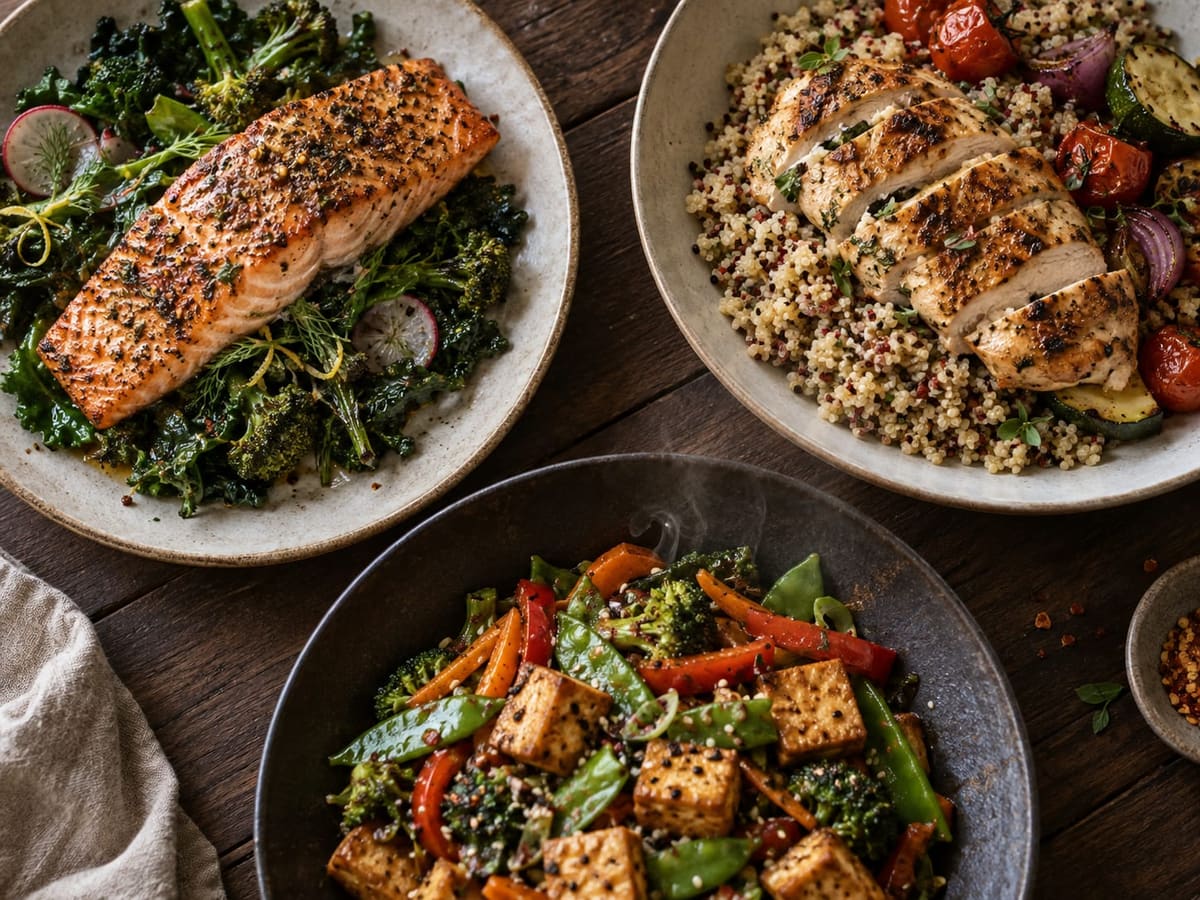
High-protein meals that do not cost a fortune
A food-first way to compare protein value and build affordable meals from pantry staples.
 Luca3 min read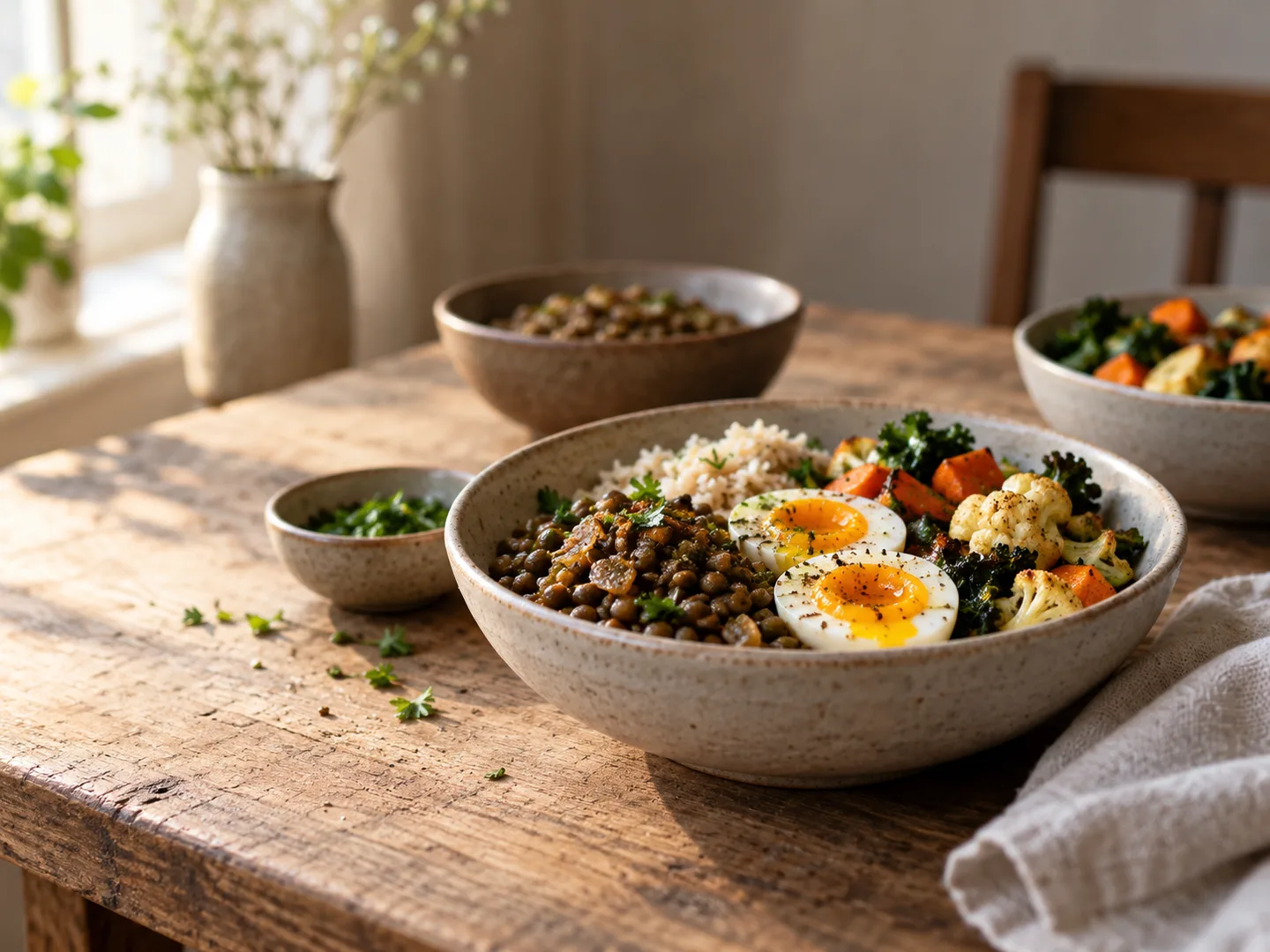
In this article
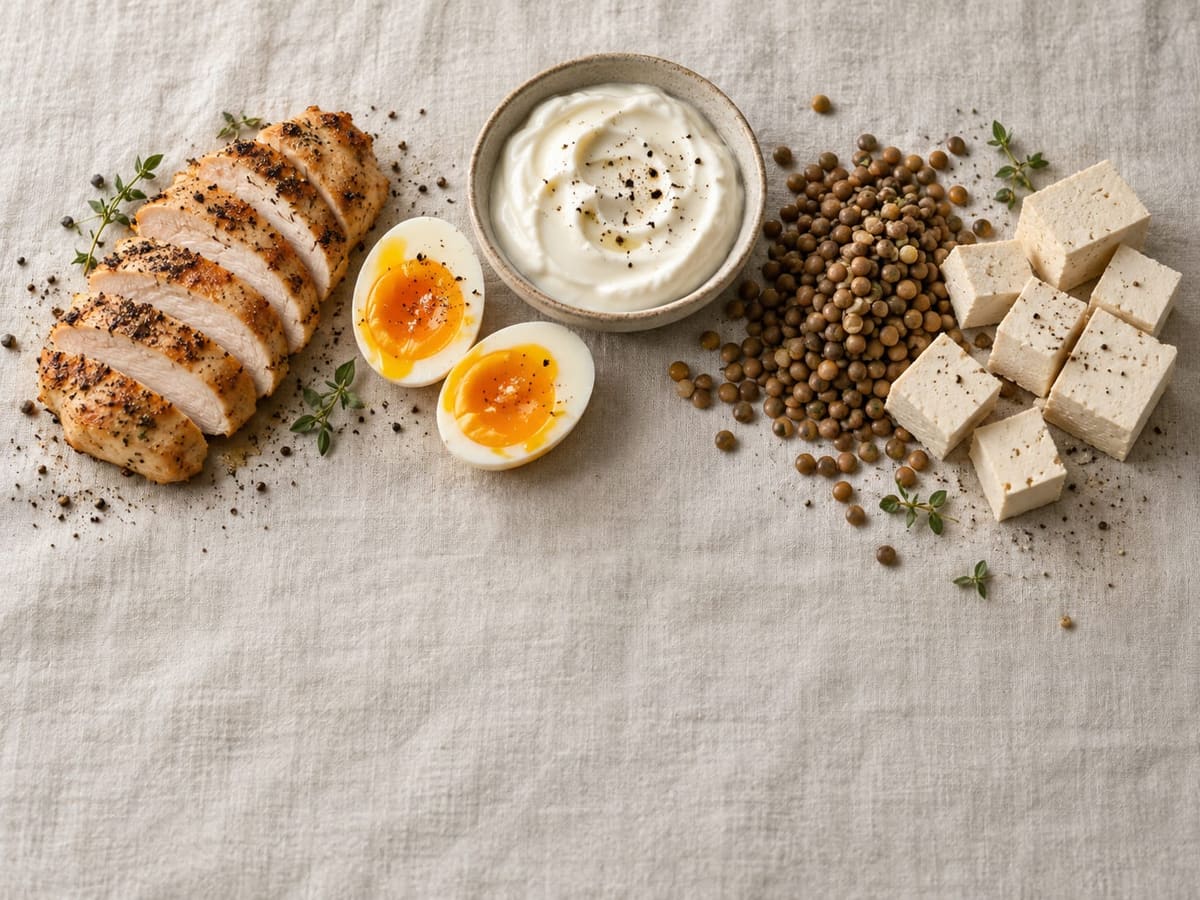
Protein marketing often points toward the most expensive shelf: individual shakes, snack bars and large tubs. A useful meal starts somewhere else—with foods you can actually buy, store and cook. Beans, lentils, eggs, tofu, yoghurt, canned fish and ordinary meat or poultry can all contribute. The cheapest option depends on your shop, allergies, culture and kitchen. Rather than promising one universal budget menu, this guide shows how to compare choices and turn modest staples into meals you will repeat.
Compare meals, not marketing claims
A product labelled high-protein can cost more per portion than familiar foods. Check the price for the amount you will actually eat, then consider what else the food brings: fibre, fat, calcium, flavour and convenience. USDA MyPlate lists beans, peas, lentils, nuts, seeds, soy foods, eggs, fish and meat as protein-food options. That variety is useful. A tin of beans may be less concentrated in protein than a piece of chicken, but it can stretch a dish, add fibre and reduce the total cost.
Bulk packs are only bargains if you have storage and will use them before they spoil. Compare the unit price, not the size of the package. Frozen vegetables and canned staples reduce waste when your schedule changes. MyPlate's budget resources encourage planning around affordable foods and what you already have. You do not need an exact gram target for every plate; our protein-per-meal guide explains why a rigid number at each sitting is not the goal.
Three flexible meal patterns
First, make a bean-and-egg bowl: warm beans with spices, add cooked vegetables and top with an egg if you eat them. Use rice, potatoes or bread to make it filling. Second, mix lentils into a tomato sauce and serve it over pasta; a little minced meat or tofu can be added, but the lentils already do useful work. Third, combine plain yoghurt with oats and fruit for a quick meal or snack. The proportions can change with your appetite. These are templates, not nutritional prescriptions, and they do not require specialist ingredients.
For people who eat fish, canned sardines, salmon or tuna can be convenient, though price and mercury advice vary by fish and by pregnancy status. Tofu can be good value where it is common and expensive where it is not. Eggs may be a bargain in one market and costly in another. Check local prices before adopting someone else's list. Our fifteen-minute dinners provide more fast combinations. Try using a familiar seasoning profile so the budget meal still tastes like yours.
Make the pantry work harder
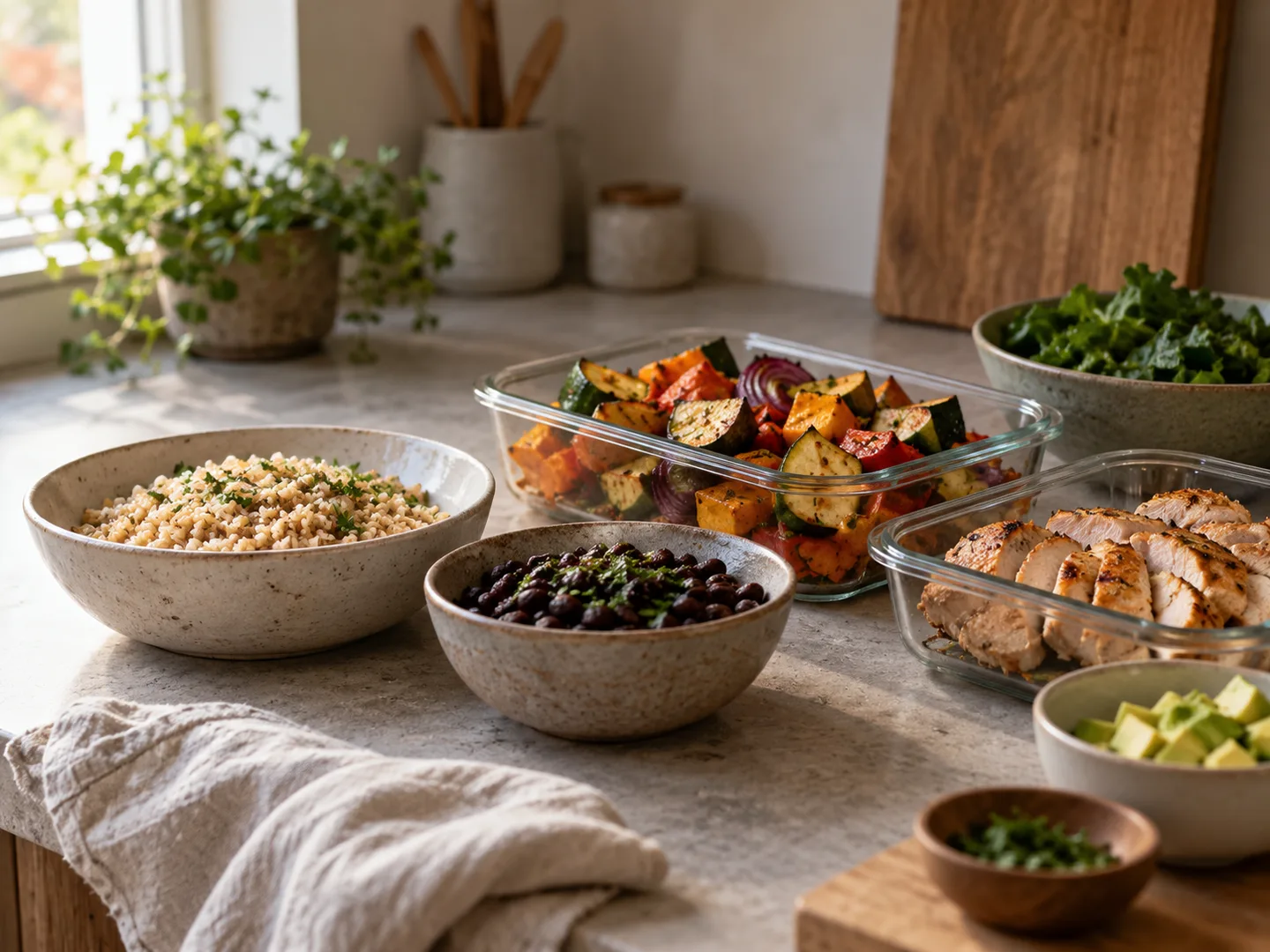
A small pantry does not need to look like a television cooking set. One pulse, one grain or starch, one frozen or shelf-stable vegetable and a sauce you like can produce several meals. Cook a larger batch only if you have time and safe storage. USDA's planning guide offers examples of repurposing leftovers rather than making seven identical boxes. If a busy week is coming, decide which two meals can share ingredients. That cuts both shopping decisions and waste.
Do not let the pursuit of protein crowd out the rest of the plate. Vegetables, fruit and whole grains are useful too, and enough total food matters. Our fibre guide helps with inexpensive plant-food ideas. If you have kidney disease or a prescribed diet, ask your care team about the right protein amount; a general high-protein guide is not personalised advice. If you have food allergies, choose an appropriate alternative rather than treating any named ingredient as mandatory.
One shopping experiment
Before your next shop, choose one protein food already in your kitchen and plan two uses for it. Compare the cost of your usual branded protein snack with a normal meal you would enjoy. Buy a small amount of a new staple before committing to a bulk pack. At the end of the week, keep the meal that saved time or money and tasted good. Affordable food is only useful if it gets eaten. Build the routine around your own prices, storage and appetite, not a photo of someone else's groceries.
If your first attempt costs more than expected, look at the full receipt and the leftovers. A low unit price can hide waste if a package is too large. Smaller quantities, canned options or sharing ingredients across two meals may be better value for your household. Convenience has value too when time is scarce.
Sources
- Protein Foods Group. USDA MyPlate.
- Healthy Eating on a Budget. USDA MyPlate.
- Planning for Savings: Leftover Edition. USDA MyPlate.
Pass it on
XBlueskyEmail