How to read a nutrition label without getting lost
Start with serving size, compare similar foods, and use the numbers that answer your question.

In this article
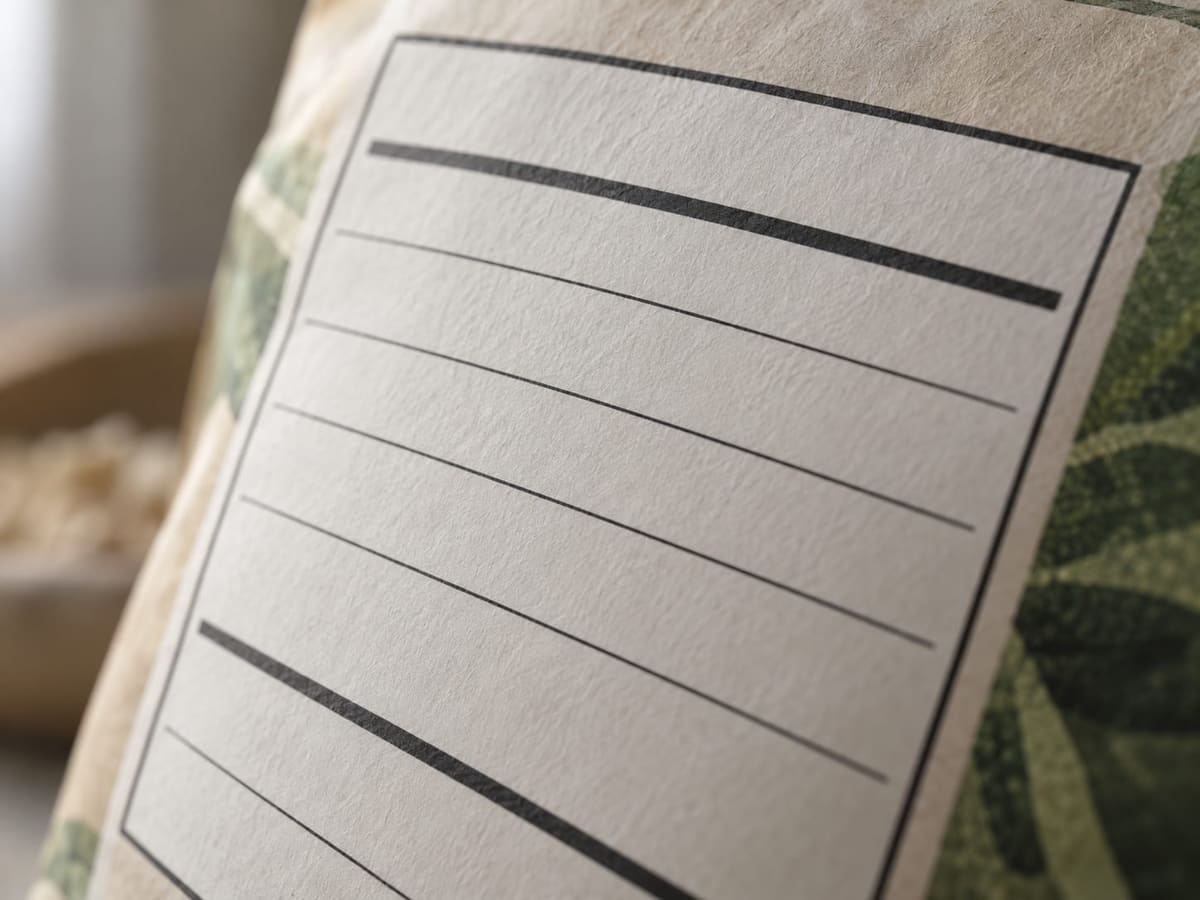
A nutrition panel can feel crowded. You do not need to read every row every time, but no fixed four numbers answer every question. Serving size, energy, fibre, sodium, sugars, saturated fat and other nutrients matter in different situations. Learn to choose the information that helps with the decision in front of you, rather than turning the panel into a scorecard for whether a food is good or bad.
Here is a quick order for comparing two similar products. It can take longer when you have a medical need or are learning a new label format, and that is fine.
One: check which column you are reading
This is the step that makes the other numbers meaningful. UK and EU panels commonly give values per 100 g or 100 ml, often with a second column per portion. US labels focus on a stated serving size. Per-100 values help compare similar products; per-serving values help estimate what you will eat if that serving matches yours. The printed serving is a standard reference, not a recommended amount. Decide which column you are reading before comparing figures.
Two: choose the numbers that answer your question
- Energy helps compare how much a typical portion contributes, but it does not measure a food's overall quality or whether it is right for you.
- Protein can help compare two foods you might use for the same purpose. It is not a requirement that every food be high in protein.
- Fibre is useful when comparing breads, cereals and other grain products. Whole foods without labels can contribute plenty too.
- Sugars need context. A US label separates added sugars; other formats may not. Check the ingredients and compare similar foods rather than treating fruit or plain milk like sweets.
Salt or sodium and saturated fat can also be important, particularly if a clinician has asked you to monitor them. The label format and units differ by country. Follow your own care plan rather than a generic threshold from an article. The point is to compare foods for a reason, not to inspect every package forever.
Three: the ingredients list, for three seconds
Ingredients are generally listed in descending order by weight, so the first few give you a sense of what makes up much of the food. They are not the whole story: water, recipe and serving size matter. An ingredients list can help you spot allergens, ingredients you avoid, or forms of added sugar. Use it alongside the nutrition panel and your own purpose for choosing the food, rather than assuming one ingredient makes the entire product unhealthy.
A long unfamiliar name is not by itself evidence that a food is dangerous. At the same time, a short ingredient list is not a guarantee of nutritional balance. Consider the food's role in the meal, your health needs and whether you enjoy it. A label is a comparison tool, not a complete description of a diet.
Claims worth ignoring
- Low fat describes fat content, not the overall nutritional quality of the product. Read the rest of the panel if it matters to you.
- Natural is not a substitute for checking ingredients, allergens or serving size.
- High in protein tells you about one nutrient. Compare the full product and price with alternatives.
- No added sugar does not mean sugar-free; check the total and the ingredients if relevant.
- Front-of-pack traffic lights are useful signals in places that use them, but compare the portion and full panel too.
A caveat worth stating plainly: a label tells you about a product, not about a diet. There is no threshold on a panel that makes a food good or bad, and reading labels closely is a tool for making comparisons rather than a scoring system to live by. If you find that checking panels is turning into something compulsive, or into rules about foods you are no longer allowed, that is worth mentioning to your GP or a registered dietitian.
Otherwise: find the serving or per-100 column, identify the one or two nutrients relevant to your decision, glance at the ingredients if needed, and choose the food that fits your meal and budget. The method gets quicker with practice; there is no prize for doing it in eleven seconds.
Use the panel to answer your question
FDA guidance says to begin with servings per container and serving size. The printed serving reflects a standard comparison amount; it is not an instruction about how much you are allowed to eat. The nutrient details that matter depend on your question. Someone comparing breakfast cereals may look at fibre and added sugars; a person managing sodium may focus elsewhere. NHS dietetic guidance explains the per-100 g and traffic-light approaches used on many UK packs. Read the column before drawing conclusions.
Front-of-pack claims can be helpful shortcuts, but they do not tell the whole story. Compare like products, then decide whether taste, price and convenience fit your life. Our fibre guide explains one nutrient that can be worth checking, and our oatmeal guide shows why the finished bowl matters more than a single panel. If label reading becomes compulsive or makes eating distressing, speak with a qualified professional rather than adding more rules.
Sources
- How to Understand and Use the Nutrition Facts Label. US Food and Drug Administration.
- A guide to food labelling. Milton Keynes University Hospital NHS Trust.
- Healthy diet. World Health Organization.
Pass it on
XBlueskyEmail