Plant-based iron foods: what to put on your plate
Use beans, lentils, tofu and fortified foods thoughtfully, and understand why an iron number is not the same as absorption.
 Arjun5 min read
A bag of spinach gets much of the attention when someone mentions iron. Yet a practical plant-based shopping basket can include beans, lentils, tofu and fortified cereal as well. The aim is a varied eating pattern with regular iron sources, not finding one perfect ingredient. This guide explains useful food choices and meal combinations. It cannot tell you whether you are iron deficient, and it should not be used to choose a treatment dose of iron.
The amount in food is only part of the story
Plant foods provide non-haem iron. The NIH iron fact sheet explains that absorption depends on the food and the meal around it; vitamin C can improve absorption of non-haem iron. A number in a table therefore does not tell you exactly how much reaches your body. This is a reason to plan varied meals, not a reason to avoid useful foods because their absorption is imperfect.
At a glance
Iron in selected half-cup servings
Rounded NIH values. Not absorbed amounts or doses.
Use the chart to spot ingredients worth keeping in rotation, not to declare a winner. A lentil soup, bean wrap and tofu stir-fry solve different problems in the kitchen. Choose the one you can afford, tolerate and prepare. The amount you serve matters as well, so a large meal cannot be compared with a small garnish just by reading the ingredient name. Fortified products require their own label check because formulations differ.
Pair familiar ingredients rather than buying a special product
Consider lentils with tomatoes, beans with peppers, or a tofu meal followed by an orange. The point is to make a vitamin-C-containing food an ordinary part of a meal. You do not need a branded absorption drink. Fresh, cooked and convenience ingredients all have a place, but the precise nutrient content varies with preparation and storage. Keep the combinations flexible so the plan survives a change in season or shop availability.
| Iron-containing base | Food to pair with it | Easy meal format |
|---|---|---|
| Lentils | Tomatoes or peppers | Soup with bread |
| Chickpeas | Peppers or citrus fruit | Wrap or grain bowl |
| Firm tofu | Broccoli or peppers | Stir-fry with rice |
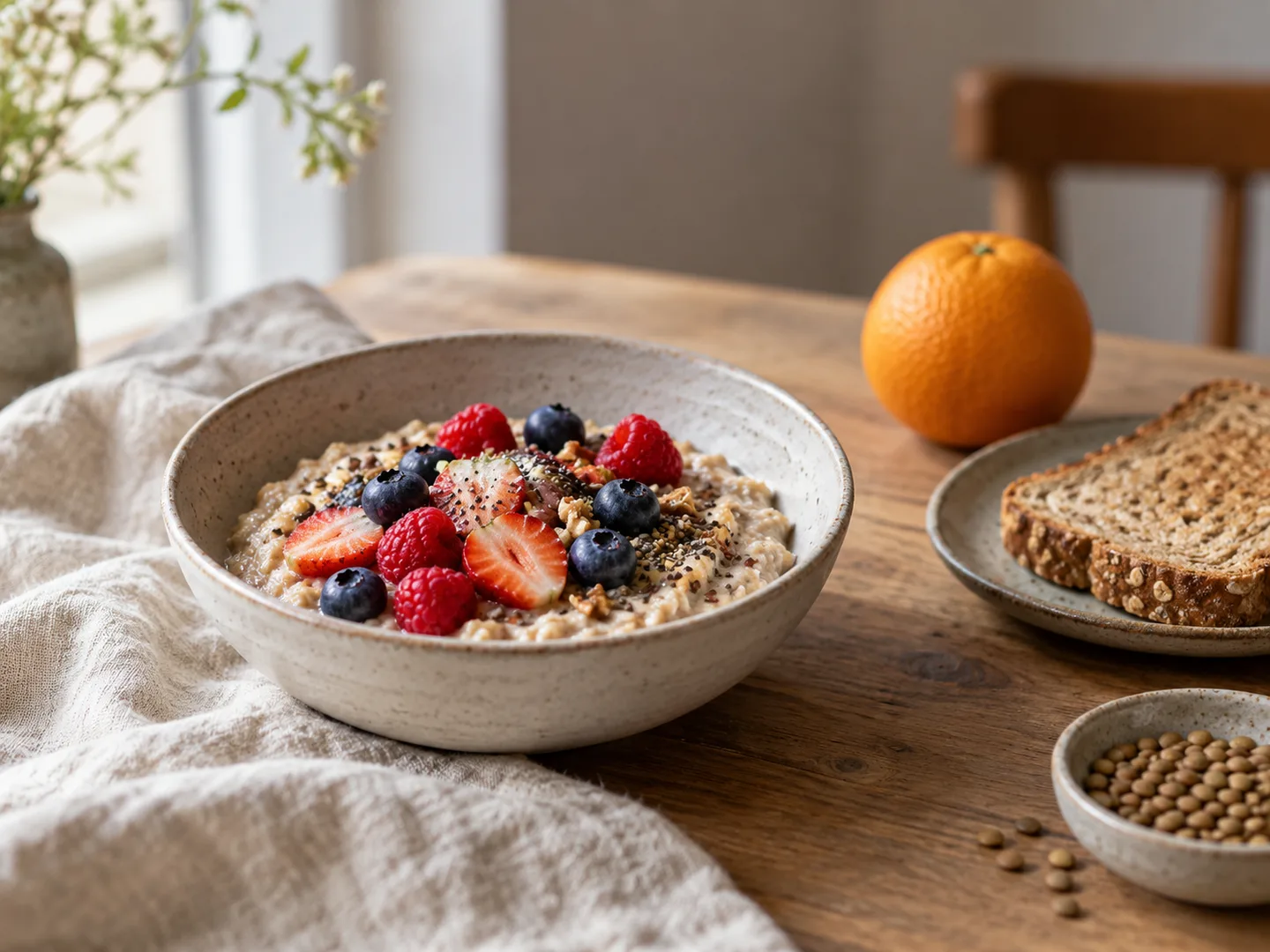
| Iron-fortified cereal | Berries or an orange | Breakfast with a suitable drink |
The NHS vegan guidance advises having vitamin C with iron-containing meals and avoiding tea or coffee during or after main meals. If you usually have a hot drink with lunch, consider a different time for it. Avoid turning this into a rigid schedule that makes eating stressful. Your overall diet, health and any diagnosed deficiency matter more than chasing a theoretically perfect combination at every sitting.
Make the shopping comparison practical
Compare the cost of the edible amount you will use. A large bag of dried beans can be economical, but it also needs cooking time and storage space. Canned pulses may fit a busy week better. Drain according to the recipe and follow the packaging. If a tin is too much for one meal, decide where the remainder will go before opening it. Our budget protein guide looks at this everyday trade-off rather than assuming one format is always cheapest.
For fortified cereal, read both the serving size and iron information. A claim on the front does not tell you the amount in your bowl. Compare similar products using the same units, then choose one you actually enjoy. You can keep a photograph of the label if you need to discuss your diet with a professional. Our label-reading guide explains why per-serving and per-100-g information answer different questions.
Do not diagnose low iron from tiredness alone
Tiredness has many possible causes. The NHS iron guide warns that excessive iron supplementation can be harmful. If you are persistently tired, unusually breathless, or concerned about heavy menstrual bleeding, seek medical advice rather than buying a high-dose supplement on the assumption that it will help. Testing and interpretation belong in a clinical assessment. A meal plan cannot establish why your symptoms are happening.
People who are pregnant, have ongoing blood loss, digestive disease or a diagnosed deficiency need advice suited to their situation. Food can support a treatment plan, but it should not replace prescribed treatment. Equally, a normal-looking diet does not rule out an absorption problem. If iron has been prescribed, ask your pharmacist how to take it alongside your medicines and meals, and keep supplements securely away from children.
A small plan for the coming week
Pick two meals you already cook and add a pulse or tofu option to your shopping list. Decide what vegetable or fruit will accompany them. Keep a convenient alternative for the day when cooking falls through, such as a suitable canned option. Write down any questions about symptoms or supplements for a clinician instead of trying to resolve them through a food chart. The goal is a dependable pattern with variety, not a daily competition to reach the highest possible iron total.
Common questions
Why is iron from plants absorbed less well?
Absorption depends on the type of iron and on the rest of the meal. A review in the American Journal of Clinical Nutrition estimated iron bioavailability at roughly 14–18% for mixed diets and 5–12% for vegetarian diets in people with no iron stores. It notes that phytate, polyphenols and calcium can reduce absorption while vitamin C improves it, although these effects are smaller across a varied diet than in single-meal tests. Your own iron status has a bigger effect than the make-up of any one meal.
What are the signs of iron deficiency anaemia?
The NHS page on iron deficiency anaemia lists tiredness and lack of energy, shortness of breath, noticeable heartbeats, paler skin than usual and headaches. Heavy periods and pregnancy are among the most common causes. It is diagnosed with a blood test, and when iron tablets are prescribed they are usually taken for about six months. These symptoms have many other possible causes, so see a GP rather than starting supplements on your own.
Try this week
0 of 3 doneSources
- Iron: food sources and absorption. NIH Office of Dietary Supplements.
- The vegan diet. NHS.
- Iron. NHS.
- Iron bioavailability and dietary reference values. American Journal of Clinical Nutrition / PubMed.
- Iron deficiency anaemia. NHS.
Pass it on
XBlueskyEmail