How to get calcium without dairy
Compare fortified drinks, calcium-set tofu and everyday foods without assuming every dairy alternative is equivalent.
 Arjun5 min read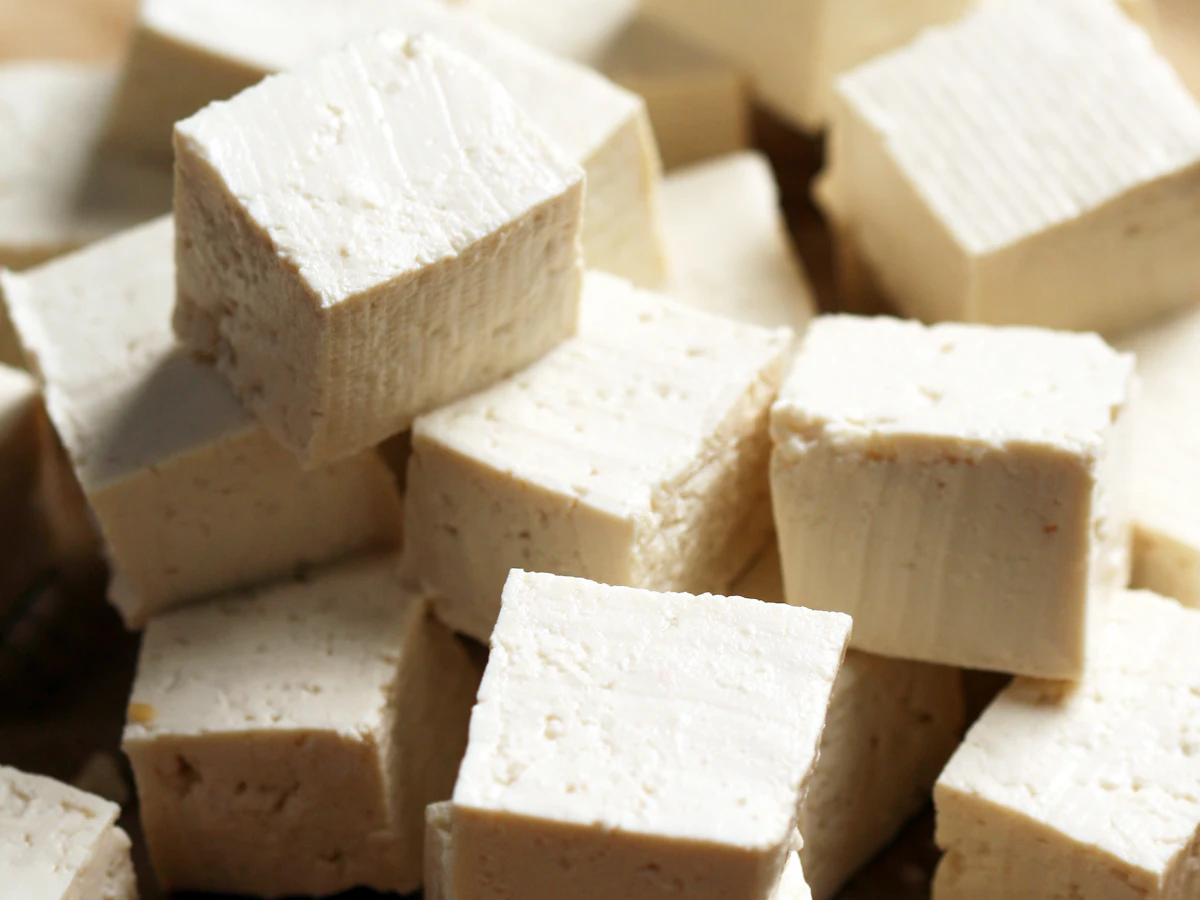
You replace milk in your morning drink, buy a different yoghurt, and carry on with the same meals. The change may feel small, but the replacement does not automatically supply the same nutrients. Getting calcium without dairy is possible; it works best when you choose dependable sources on purpose. This guide is for adults planning ordinary meals, not a treatment plan for a diagnosed deficiency. Start with the foods you already enjoy, then check what their labels actually promise.
Start with a dependable everyday source
The NIH calcium fact sheet lists fortified soya drink and tofu made with calcium sulphate among non-dairy sources. The important words are fortified and calcium-set. A plain-looking carton can be unfortified, and tofu made with a different setting agent can contain much less calcium. Brand names and packaging colours are not a reliable shortcut. Check the actual product rather than carrying a number from one shopping trip to the next.
Think about frequency before variety. If you use a plant drink every day, choosing one that supplies calcium can be easier than remembering an unfamiliar food once a week. If you do not like plant drinks, look at another repeatable meal: tofu in dinner, a suitable fortified yoghurt alternative, or other foods that fit your diet. You do not have to make every meal a nutrient project. You need a pattern that is realistic enough to repeat.
At a glance
Calcium in selected non-dairy servings
NIH examples. Serving sizes and brands differ.
Read the carton in three steps
First find calcium in the nutrition information. Then check whether the amount is given per serving or per 100 ml, and compare the same basis across products. Finally, consider how much you actually use. A splash in coffee is different from a glass with breakfast. There is no need to weigh every drink indefinitely, but one ordinary serving can help you understand what the label means. Our nutrition-label guide explains the comparison without turning shopping into homework.
| Food | Useful check | Common trap |
|---|---|---|
| Plant drink | Calcium amount and fortification | Assuming all oat or almond drinks match milk |
| Tofu | Setting agent and nutrition panel | Using a calcium-set value for every tofu |
| Yoghurt alternative | Added calcium and protein separately | Treating a similar texture as identical nutrition |
| Leafy vegetables | Variety and a portion you will eat | Expecting a small garnish to replace a regular source |
Calcium is only one part of the comparison. Protein, price, taste and suitability for cooking still matter. A drink that works in porridge may separate in hot coffee; a product you dislike is unlikely to become a dependable habit. Buy a small size when trying something new. If your household uses several alternatives, keep track of which one is fortified rather than assuming the whole shelf is equivalent.
Build meals around food you recognise
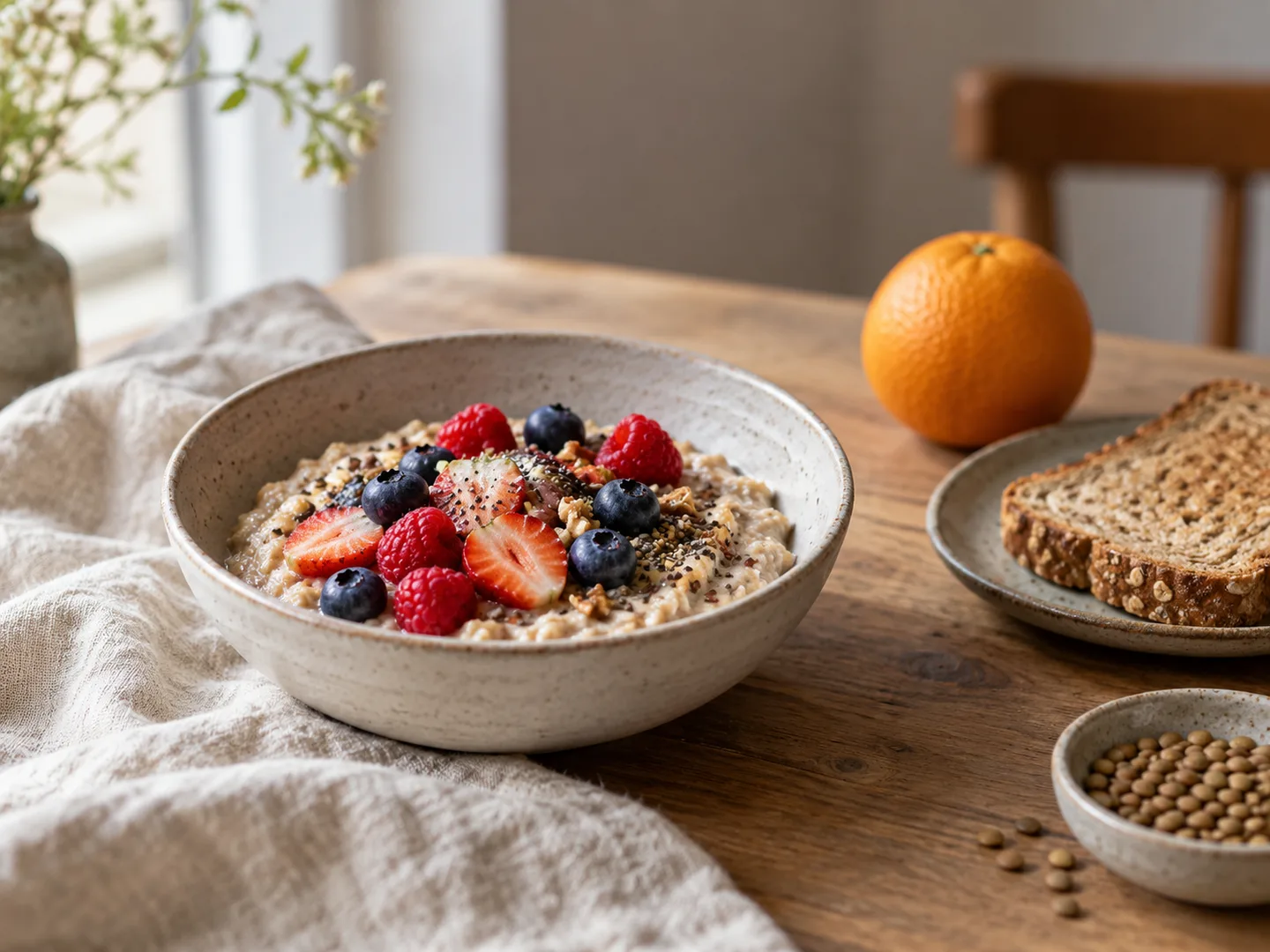
For breakfast, try oats made with a suitable fortified drink, with fruit and whatever topping you enjoy. At lunch, a tofu sandwich or leftovers can provide another opportunity. At dinner, add greens to a meal because you like them, rather than treating them as a supplement. These are meal-building examples, not calculated menus: quantities, brands and the rest of your diet change the totals. Our oatmeal guide has more ways to make a familiar breakfast work.
The NHS calcium guide gives a UK adult reference of 700 mg daily. Reference amounts differ across countries and life stages; do not combine targets from several systems or read a food-label percentage as your personal prescription. If you are moving away from dairy entirely, the NHS vegan guide also highlights nutrients beyond calcium. One successful substitution does not settle every nutritional question.
Separate intolerance, allergy and personal preference
Your reason for avoiding dairy changes what is suitable. A lactose-free dairy product is still a dairy product and is not a substitute for someone with a milk allergy. A vegan choice has another set of requirements. If you have a diagnosed allergy, follow your clinician's advice and the product's allergen information, including cross-contact warnings where relevant. Do not use a nutrition comparison as an allergy safety check. The two questions need different evidence.
Supplements are another separate decision. Do not add several products together just because each sounds helpful. If you have kidney disease, a history of kidney stones, a condition affecting absorption, or take medicines, discuss supplementation with your clinician or pharmacist. This article does not calculate a supplement dose. Bring photos of the foods and supplements you use to that conversation; concrete information is more useful than saying you eat fairly well.
Your next shop
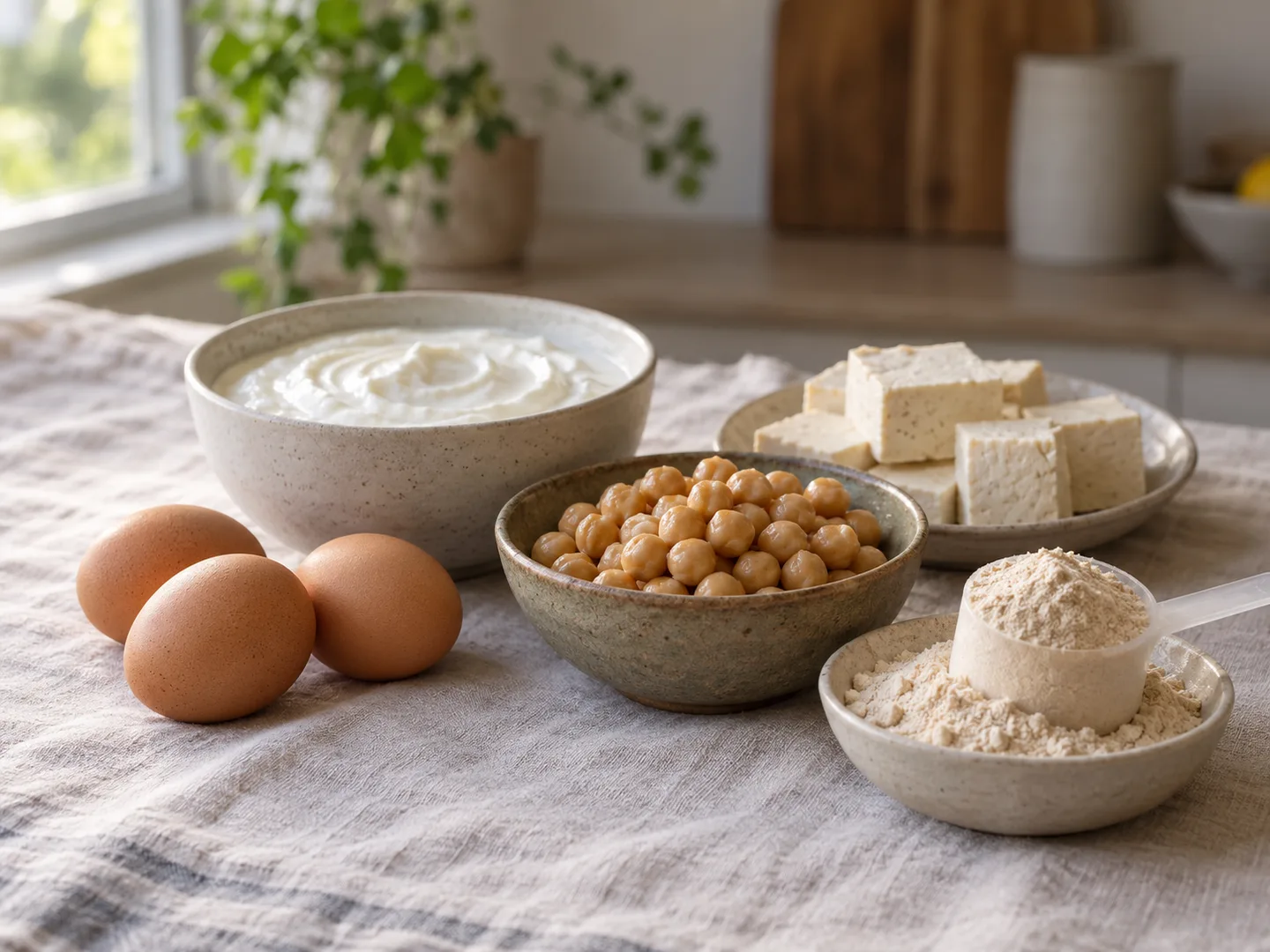
Choose one regular meal and identify its dependable calcium source. Check its label, note a realistic serving, and put that exact product or an equivalent on your shopping list. Keep a second option for weeks when it is unavailable. Review the whole pattern with a dietitian if you are excluding several food groups or cannot find suitable alternatives. The useful change is a reliable routine, not a cupboard full of foods bought only because their packaging mentions bones.
Common questions
Which non-dairy foods does the NHS list for calcium?
The NHS guide to food for healthy bones lists soya beans, tofu, plant-based drinks with added calcium, nuts, green leafy vegetables such as broccoli, cabbage and okra, and fish where you eat the bones, such as sardines and pilchards. It notes that spinach, despite its reputation, contains oxalate, which reduces calcium absorption, so it is not a good source. The same page advises adults to consider a daily 10 microgram vitamin D supplement in autumn and winter, because vitamin D helps the body use calcium.
Can plants alone supply enough calcium?
It is possible, but it takes planning. A review in the American Journal of Clinical Nutrition noted that some plants provide absorbable calcium, but that the quantity of vegetables needed makes an exclusively plant-based approach impractical for most people unless fortified foods or supplements are included. That is why this guide leans on fortified drinks and calcium-set tofu rather than greens alone.
Try this week
0 of 3 doneSources
- Calcium: food sources and reference intakes. NIH Office of Dietary Supplements.
- Calcium. NHS.
- The vegan diet. NHS.
- Food for healthy bones. NHS.
- Choices for achieving adequate dietary calcium with a vegetarian diet. American Journal of Clinical Nutrition / PubMed.
Pass it on
XBlueskyEmail