Why did people eat more on an ultra-processed diet?
In a tightly controlled trial, people ate more from one ultra-processed menu. Eating speed and texture may help explain why, but the label alone does not tell the whole story.
 Nia5 min read
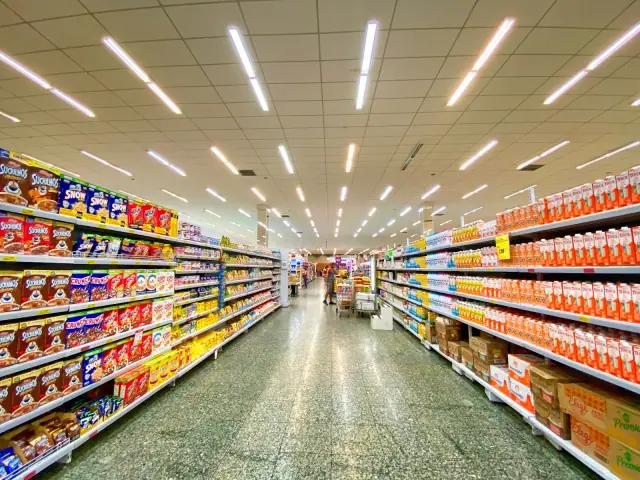
It is easy to eat through a packet of soft snacks while a plate that needs a fork and some chewing takes longer. Does processing itself explain that difference? Controlled feeding studies help answer part of the question. They also show why a dramatic headline about 'broken satiety signals' goes further than the measurements.
What the famous inpatient trial did
In the 2019 NIH inpatient trial[1], twenty adults spent two weeks on an ultra-processed diet and two weeks on an unprocessed diet in random order. Meals were designed to match presented calories, macronutrients, sugar, sodium and fibre, and participants could eat as much or as little as they wanted. They ate about 500 more calories per day on the ultra-processed diet on average and gained weight during that period. Those are striking results from a controlled setting, not a prediction about any one person's lunch.
The menu changed many properties at once. The participants ate faster on the ultra-processed diet, and the foods differed in ways that are hard to isolate completely. The trial shows that the two dietary packages caused different intake under its conditions. It cannot identify one ingredient, one hormone or one industrial step as the sole cause. Nor can two weeks tell us every long-term effect of a particular product.
| Finding | Reasonable reading | Overreach |
|---|---|---|
| Higher energy intake | The tested ultra-processed menu led to more intake | Every ultra-processed item makes everyone overeat |
| Faster eating | Eating rate may be part of the pathway | Eating speed alone explains the whole result |
| Short-term weight change | Intake mattered over two weeks | A single package causes chronic disease |
Texture gives the story more detail
A randomised meal experiment[2] offered foods that differed in texture and processing. Harder meals were eaten more slowly and people consumed less during the test meals; the authors concluded that texture and energy density contribute to intake differences. This does not erase the importance of dietary patterns. It shows that 'processed' is not a complete physical description of a meal. A crunchy, chewy food and a soft one can sit in the same classification while being eaten at different rates.
A small four-condition feeding study[3] likewise tested hard and soft versions of processed and less-processed meals. Texture had a strong effect on eating rate and energy intake, while processing level alone did not explain intake in that experiment. Small trials cannot settle every question, but they are useful checks against a tidy story in which the processing label acts by one universal mechanism.
A later two-week crossover trial of ultra-processed menus[4] compared slower- and faster-eating versions matched on several meal properties. The slower-eating menu produced lower daily energy intake on average. That strengthens the case for eating rate as one contributor, without proving it is the only one. Participants, meals and duration differ across these studies, so their calorie differences should not be added together as if they were one estimate.
What about hunger hormones?
GLP-1 and PYY are involved in appetite regulation, but naming them is not the same as measuring the whole pathway. The inpatient evidence above does not establish a mechanism in which ultra-processed foods 'bypass' these hormones. Blood hormone values, feelings of fullness, speed of eating and the amount eaten are related questions, not interchangeable outcomes. It is more accurate to say that several physical and behavioural features may help explain why the tested menus differed.
Picture two rushed lunches. One is a sweet drink and a soft snack eaten while answering messages; the other is a sandwich with a filling you like and fruit eaten away from the screen. Their processing labels alone will not predict your personal appetite, but the comparison gives you useful things to notice: portion, texture, protein, fibre-containing foods and the chance to eat without a hurry. You do not need to blame a hormone or force yourself to chew at an unnatural pace. Our hunger guide considers the whole day, while the nutrition label guide helps compare products without declaring every packet identical.
How to use a processing label without becoming rigid
The NOVA paper by Monteiro and colleagues[5] explains how researchers classify ultra-processed foods. It is a classification of industrial formulations, not a ranking of every product's nutrient profile, affordability or usefulness to your household. A fortified bread, a ready-to-eat meal and a sweet drink may all raise different practical questions. Check the ingredients and nutrition information for the food you are considering, then think about the meal it helps you make.
If your weekday lunch is often a soft snack eaten between calls, one experiment is to make the meal more deliberate: sit down when possible, add a food that needs chewing, and include something filling that you enjoy. Frozen vegetables, tinned beans and ordinary packaged staples can still help. This is not a clinical weight-loss treatment and it should not become an all-or-nothing food list. Our vegetable buying guide shows how convenience and a usable meal plan can work together.
The limit of today's evidence
Inpatient trials isolate diet more closely than ordinary life can, but they are usually short and involve small groups. Observational links between ultra-processed food and disease are important, yet they cannot by themselves establish what caused the association. Research on texture and eating rate helps explain possible pathways, not every health outcome. We can act on the practical findings while leaving room for uncertainty.
If tracking food or avoiding categories worsens anxiety or a history of disordered eating, seek individual support instead of turning this research into stricter rules. The goal is a nourishing pattern that fits real budgets and workdays, not a purity score. Keep the curiosity, and leave the alarmist hormone story behind.
Try this week
0 of 3 doneSources
- Ultra-processed diets and energy intake: inpatient randomized trial. Cell Metabolism.
- Texture-based differences in eating rate and meal intake. American Journal of Clinical Nutrition.
- Speed limits: processing, texture and daily intake. European Journal of Nutrition.
- Eating rate across two ultra-processed diets. American Journal of Clinical Nutrition.
- Ultra-processed foods: what they are and how to identify them. Public Health Nutrition.
Pass it on
XBlueskyEmail