Frozen vs fresh vegetables: what is worth buying?
Choose vegetables around the meal, your storage space and what you will actually use.
 Nia5 min read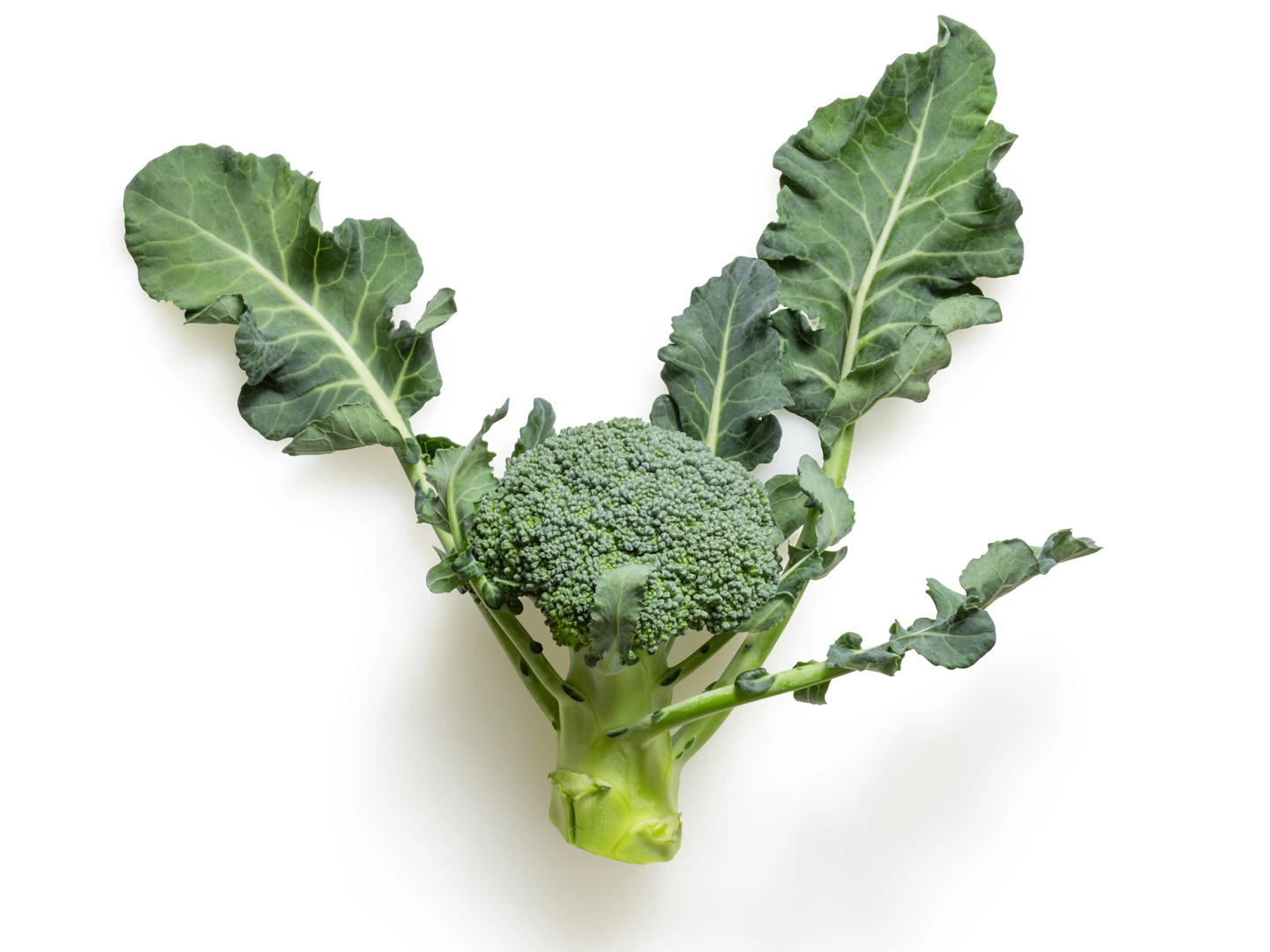
Fresh vegetables can look like the ideal choice until the bag at the back of the fridge goes unused. Frozen vegetables can be convenient until you buy a mix that does not suit anything you cook. The useful choice is the one that fits your meal and gets eaten. This is a buying guide rather than a contest over which format is always healthiest. A kitchen can use fresh, frozen and tinned vegetables for different jobs without needing to pick a single side.
Frozen vegetables still count
The NHS explanation of what counts towards five a day includes fresh, frozen and tinned fruit and vegetables. Frozen does not mean nutritionally pointless. That does not establish one universal nutrient-retention percentage: vegetables, storage and cooking methods differ. Be cautious of a chart that declares every frozen vegetable better or worse by the same amount. For everyday shopping, variety and a usable meal plan are more helpful than a blanket ranking.
Start with the texture you need. A raw salad and a soup ask different things of an ingredient. Fresh cucumber may suit the first, while frozen peas can be convenient in the second. Tinned tomatoes are useful for a sauce even when fresh tomatoes are available. Think in terms of the finished meal rather than judging a bag by whether it came from a freezer cabinet.
| Format | Often useful for | Check before buying |
|---|---|---|
| Fresh | Raw salads, roasting, crisp textures | Whether you will use it before it spoils |
| Frozen | Soups, cooked sides, adding a small amount | Freezer space and cooking instructions |
| Tinned | Sauces, stews, cupboard backups | Added salt, drained weight and storage after opening |
Compare the food you will use, not just the sticker price
A large pack is not automatically economical if half is discarded. Compare the price per weight, then consider trimming, drained liquid, portioning and storage. A smaller fresh pack may work for a planned salad. A frozen bag may work when you need a little at a time. Neither wins every shopping trip. Keep your usual budget in view and avoid buying a new ingredient merely because its unit price looks impressive.
Try a simple shopping note: name the meal beside the vegetable. Broccoli for noodles, tomatoes for sauce, carrots for soup. If you cannot name a likely use, pause before adding another bag. Keep one flexible backup that fits several meals you already make. Our budget meal guide uses the same principle: choose ingredients that solve a practical problem rather than building a list of fashionable foods.
Read the additions as well as the vegetable name
The FDA nutrition-label guide explains why serving size matters when comparing information. A plain frozen vegetable and one sold in a sauce are different products. Look at ingredients and compare equivalent amounts, especially for added salt or sauces. This does not make a seasoned product forbidden. It helps you understand what you are buying and whether it suits the meal, budget and any advice you already follow.
For tinned products, notice whether the weight shown is the whole contents or the drained food. For frozen mixtures, check whether the vegetables you enjoy are actually prominent. For fresh packs, check condition rather than assuming the display tells you how long they will last at home. One careful comparison of your regular products can make future shopping easier without requiring you to inspect every shelf indefinitely.
Cook for the texture you want and follow the pack
Use the manufacturer's cooking and storage instructions. A frozen product is not automatically ready to eat straight from the bag, and a raw salad recipe should not be used as evidence that every vegetable can be handled the same way. Avoid overfilling a pan if it makes your preferred cooking method difficult. Add delicate and firm ingredients at suitable stages according to your recipe. These are kitchen decisions, not reasons to invent exact nutrient-loss claims.
The NHS portion guide uses 80 g for an adult portion of fresh, frozen or tinned fruit and vegetables. You can use that to understand the public guidance without weighing every meal forever. Potatoes belong to the starchy-food category in this system. Our fibre guide discusses the wider pattern; a vegetable portion is one contribution, not a complete description of a meal's nutrition.
Build a small, flexible vegetable plan
Choose a fresh item for a meal you know you will make, a frozen option for cooked meals, and a cupboard option if storage allows. You do not need all three every week. Review what remained unused before the next shop and buy less of that format, or choose a different use you actually like. A practical routine should fit your household's appetite, equipment and time. The best improvement may be a smaller shopping list with clearer plans, rather than a more elaborate definition of healthy food.
Common questions
Do frozen vegetables lose their vitamins?
Less than many people assume. A study in the Journal of Agricultural and Food Chemistry measured four vitamins in eight fruits and vegetables, including peas, broccoli, carrots, spinach and green beans, after refrigerated or frozen storage. Overall, the frozen produce had vitamin levels comparable to, and occasionally higher than, the fresh samples, although beta-carotene fell sharply in some frozen vegetables. Fresh produce that sits in the fridge for several days also changes, so the fair comparison depends on how long each one is kept before cooking.
Do frozen and tinned vegetables count towards 5 A Day?
Yes. The NHS Eatwell Guide recommends at least five portions of a variety of fruit and vegetables a day and says you can choose from fresh, frozen, tinned, dried or juiced, with fruit juice and smoothies limited to a combined 150 ml a day. Keeping a bag of frozen peas or mixed vegetables in the freezer is one of the simplest ways to make sure a portion is always available, even at the end of a week when the fresh drawer is empty.
Try this week
0 of 3 doneSources
- Five a day: what counts?. NHS.
- Five a day portion sizes. NHS.
- How to understand and use the Nutrition Facts label. FDA.
- Vitamin retention in eight fruits and vegetables: a comparison of refrigerated and frozen storage. Journal of Agricultural and Food Chemistry / PubMed.
- The Eatwell Guide. NHS.
Pass it on
XBlueskyEmail