Micronutrient Bioavailability in Plant vs. Animal Foods
The amount on a label is only part of the story. Compare iron, zinc, calcium and B12 without turning plant and animal foods into opposing teams.
 Arjun6 min read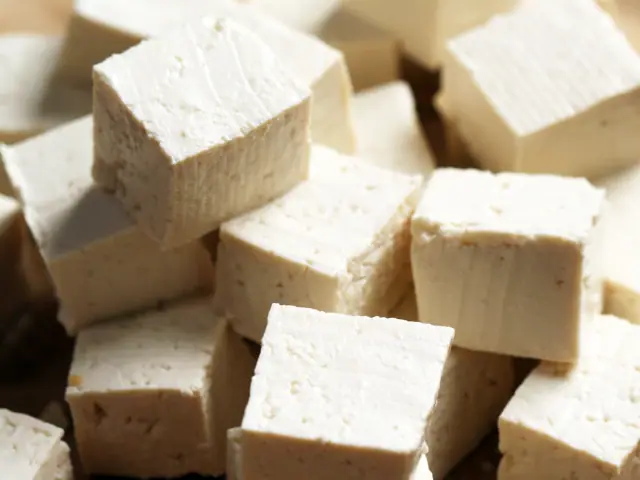
Two foods can list the same amount of a mineral without delivering the same absorbed amount. That is the starting point for bioavailability: how much of a nutrient becomes available for the body to use. It is not a contest in which all plant foods lose or all animal foods win. Different nutrients behave differently, and the rest of the meal, food preparation and individual health all matter. Understanding those differences can make food choices more practical, especially when a dietary pattern leaves out an entire food group.
Food content is not absorbed content
Nutrition labels and food tables usually report what the food contains. They do not promise that every person absorbs all of it. You also cannot simply multiply a meal's nutrient total by a fixed percentage and call the result your personal dose. The meal contains interacting ingredients, and people differ in their needs and absorption. Use food composition as a planning tool rather than a laboratory measurement of what entered your bloodstream. Our nutrition label guide explains how to compare serving sizes and avoid misleading package comparisons.
It is helpful to distinguish three decisions. First, which foods provide a nutrient at all? Second, are there practical features that affect how useful those sources are? Third, is there a medical reason to investigate intake or absorption? The first two questions can often guide ordinary shopping. The third may require assessment rather than another recipe. Persistent symptoms should not be interpreted as proof of a specific deficiency, and eating a nutrient-rich food does not establish that a diagnosed deficiency has been treated.
Iron: form and meal context matter
The NIH iron fact sheet distinguishes haem and non-haem iron. Meat and seafood contain haem as well as non-haem iron; plant foods and fortified products provide non-haem iron. The latter is more affected by meal composition. This explains why a food's iron number does not tell the whole story. It does not mean plant iron is useless or that everyone needs meat. A suitable plan depends on dietary choices, requirements and whether low iron status has actually been identified.
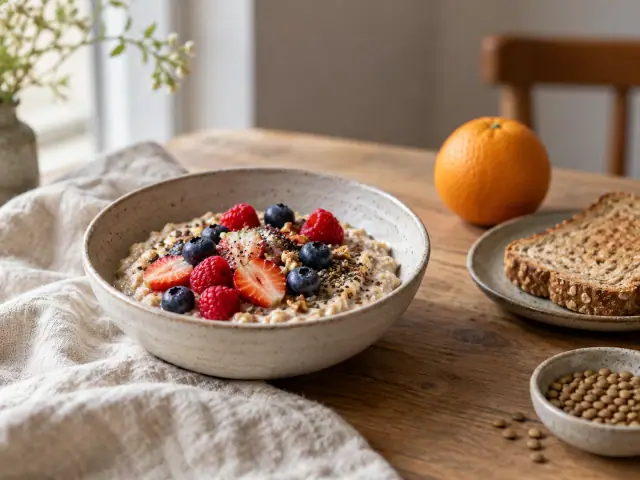
The NIH vitamin C guidance notes that vitamin C improves absorption of non-haem iron. Practical combinations include lentils with peppers, beans with tomatoes, or an iron-fortified cereal with suitable fruit. These are food-pairing ideas rather than exact absorption calculations. There is no need to turn every plate into a supplement routine. Using an ingredient you already enjoy is more repeatable than buying a special product whose promised benefit is difficult to assess.
Zinc: preparation can help, but is not magic
The NIH zinc fact sheet explains that phytate in foods such as legumes and whole grains can bind zinc and reduce absorption. Animal sources generally provide zinc with fewer of these inhibitors. Some preparation methods, including soaking and fermentation, can reduce phytate, but the effect depends on the food and process. Do not assume a brief soak makes every mineral completely available. Nor is phytate a reason to remove nutritious staple foods from an otherwise useful diet.
Choose preparation methods that belong naturally in your cooking. Fermented bread, well-prepared pulses and varied meals can fit many cuisines without requiring a complicated optimisation project. Follow safe cooking and storage guidance for the food, and do not eat foods raw merely because a wellness claim says they contain more nutrients. For a busy household, convenience and consistency matter: a practical cooked meal that people will eat is a stronger starting point than an ambitious preparation method abandoned after two attempts.
Calcium: the specific food matters
According to NIH calcium guidance, compounds such as oxalate can limit calcium absorption from certain vegetables. Spinach therefore should not be treated as nutritionally equivalent to every other calcium-containing food simply because its total calcium looks impressive. Dairy products, appropriate fortified drinks, calcium-set tofu and some greens can all contribute in different ways. Look at the actual product and preparation rather than assuming that all plant drinks or all tofu contain the same calcium amount.
For example, two cartons beside each other may have quite different fortification. Check the nutrient panel and the serving you actually use, then follow storage and shaking instructions where provided. A splash in tea is not the same quantity as a full serving, and a product marketed as natural is not automatically a better calcium source. A similar check applies to tofu: the ingredients and label help identify whether calcium has been added through the setting process. This is a small shopping habit with a clear purpose, not a reason to fear an entire food category.
| Nutrient | Useful distinction | Practical action |
|---|---|---|
| Iron | Non-haem iron is sensitive to meal composition | Pair a plant iron source with a vitamin-C-containing food |
| Zinc | Phytate can reduce availability | Use varied sources and familiar preparation methods |
| Calcium | Fortification and oxalate affect the comparison | Check the actual product rather than the food category |
| Vitamin B12 | Unfortified plant foods are not reliable sources | Make a dependable fortified-food or supplement plan when needed |
Vitamin B12 is a separate planning problem
The NIH vitamin B12 fact sheet explains that B12 occurs naturally in animal foods and can be added to fortified foods. Unfortified plant foods are not reliable sources. Fermenting a vegetable does not automatically solve that gap. People eating a vegan diet need a dependable source through appropriate fortification or supplementation. Absorption can also be affected by medical conditions and some medicines, so someone eating animal foods is not automatically protected from every B12 problem.
When comparing options, check the named nutrient and the serving directions rather than relying on a front-label claim about energy or wellness. If you already have a diagnosed deficiency, ask how it will be treated and followed up; a general food article cannot choose the dose or route for you. Keep a simple written record of the product you use so a clinician can assess the actual amount if needed. Avoid stacking several supplements without checking whether they duplicate one another.
Build a meal, not a nutrient competition
A useful plate might combine a familiar starch, a pulse or other protein food, and vegetables you enjoy. A different dietary pattern might include fish, eggs or dairy. The aim is to identify and cover likely gaps, not to declare one ingredient universally superior. The eat-healthier collection offers practical starting points. If you change a major part of your diet, consider what it previously supplied and choose a deliberate replacement instead of assuming the rest of the menu will automatically compensate.
For this week's shopping, choose one nutrient to understand better. Compare two labels, identify an ordinary food pairing, or check whether a regular product is fortified. Keep the task small enough to repeat. You do not need to calculate the bioavailability of every mouthful, and no table can supply a universal percentage for your body. Good planning uses the evidence to remove avoidable gaps while leaving room for taste, cost, cultural foods and the practical reality of preparing meals.
Try this week
0 of 3 doneSources
- Iron: Health Professional Fact Sheet. NIH Office of Dietary Supplements.
- Zinc: Health Professional Fact Sheet. NIH Office of Dietary Supplements.
- Calcium: Health Professional Fact Sheet. NIH Office of Dietary Supplements.
- Vitamin B12: Health Professional Fact Sheet. NIH Office of Dietary Supplements.
- Vitamin C: Health Professional Fact Sheet. NIH Office of Dietary Supplements.
Pass it on
XBlueskyEmail