How much water should you drink each day?
A practical guide to fluids, everyday signs and changing needs, without a rigid bottle target.
 Arjun5 min read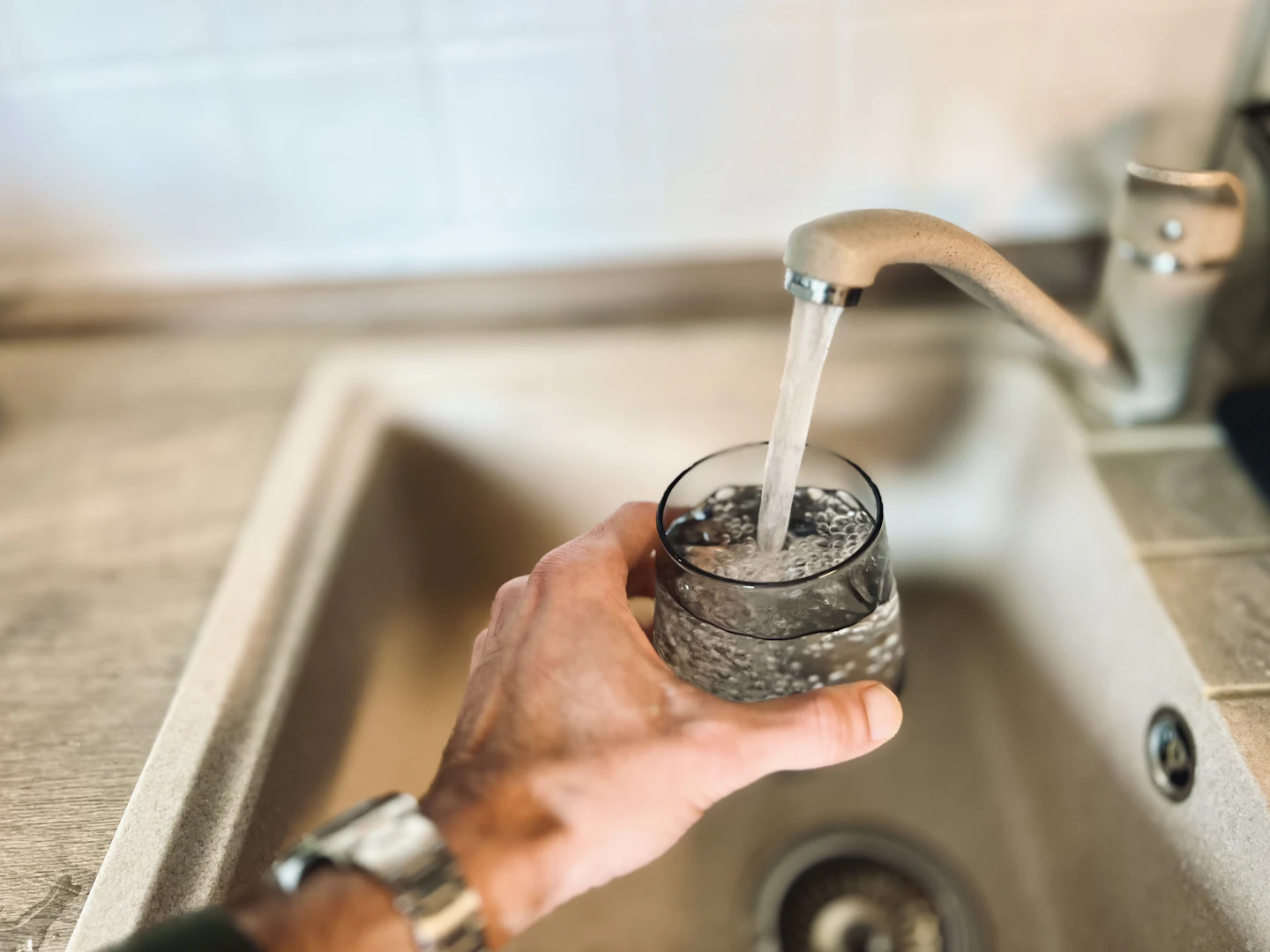
A large bottle marked with hourly targets can make drinking look like a test. Most adults need a flexible fluid routine, not a competition to finish the most water. Your day, environment and health all matter. This guide explains the usual advice and how to apply it to ordinary routines. It does not replace a fluid restriction or a plan given by your clinical team. If you already have one, follow that plan rather than adding an internet target on top.
Understand what the daily guide actually counts
The NHS fluid guidance suggests six to eight cups or glasses of fluid a day as a general guide. It includes drinks such as milk, tea and coffee, and notes that food supplies some water too. This is not an instruction to drink that amount of plain water in addition to everything else. Nor does the word glass define one universal volume: a small tumbler and a large café cup are different.
Begin by noticing what you already drink. Do you have something with breakfast and lunch, or do meetings carry you through the day without a break? A short record of your usual pattern can be more useful than buying equipment. Count ordinary drinks honestly, without calling a day good or bad. The purpose is to find forgotten opportunities and make drinking available, not to create another number to chase.
| Situation | Practical option | What to avoid |
|---|---|---|
| Busy morning | Put a drink beside breakfast | Starting a target that ignores drinks you already have |
| Desk work | Keep a clean bottle or glass within reach | Leaving all your drinking until evening |
| Warm day or active outing | Plan access to fluids before leaving | Assuming yesterday's routine fits every situation |
| Prescribed fluid restriction | Use your clinical team's plan | Following a generic online target |
Water is useful, but it is not the only option
Plain water is a simple choice when you want a drink without extra ingredients. If you prefer it cold, keep a clean jug in the fridge; if you prefer warm drinks, build your routine around those. A slice of fruit can change the taste without making water medically special. There is no need to describe ordinary water as detoxifying. Choose something affordable that you will actually drink and keep the container clean.
Caffeinated drinks introduce another question beyond fluid. The FDA caffeine guide explains that sensitivity varies and excessive amounts can cause unwanted effects. Do not keep increasing coffee simply because it counts towards fluids. Our caffeine and sleep guide helps you consider the timing and amount separately. If your afternoon drink is mostly a way to pause, try keeping the break while changing what is in the cup.
Use everyday signals without treating them as a diagnosis
The NHS dehydration page lists thirst, darker urine and urinating less often among possible signs. Notice changes in your normal pattern rather than treating a colour chart as a precise test. A single observation does not identify the cause of feeling unwell. Persistent dizziness, unusual drowsiness or very little urine need medical advice; confusion or difficulty breathing require urgent help. Drinking more is not a substitute for assessment.
Make access easy before trying to make the routine perfect. At work, find out where you can refill a bottle and take a break. When travelling, plan where safe drinking water will be available. At home, use a glass you like and can wash easily. For someone who needs help obtaining drinks, practical support matters as much as reminders. Avoid relying on a notification that arrives when there is no drink within reach.
Adjust the routine when the day changes
An ordinary office day and a long outdoor outing are different planning problems. Before activity, consider the weather, duration, available stops and whether you have relevant medical advice. This article does not provide an endurance-sport replacement formula. Illness with vomiting or diarrhoea also calls for more specific advice; a pharmacist or clinician can help identify an appropriate approach. Do not improvise concentrated salt mixtures or copy a sports routine for a sick child.
Food habits and drink habits often share the same practical barriers. If lunch regularly disappears between meetings, both may become an afterthought. A planned meal break gives you a point to check in. See our packed lunch ideas for options that fit a working day, and keep a drink alongside the meal rather than thinking of hydration as an entirely separate project.
A simple starting point for this week
Choose one part of the day when you commonly forget to drink. Put a suitable drink where that activity happens and see whether the change is easy to repeat. Review it after a few ordinary days, including one busy day. If the routine feels burdensome, simplify the container or refill plan before adding more reminders. The aim is a comfortable, adaptable habit, with professional guidance whenever your health makes general advice unsuitable.
Common questions
Do fruit juice and smoothies count?
They count as fluid, but the NHS Eatwell Guide recommends limiting fruit juice and smoothies to a combined total of 150 ml a day. Water, lower-fat milks, lower-sugar or sugar-free drinks, tea and coffee all count towards the six to eight cups or glasses the guide suggests. Choose whichever of those you will actually drink, and keep sugary drinks as an occasional choice rather than the main way you reach your daily fluid total.
Why is there no exact daily target?
Partly because needs vary and partly because the science is less precise than bottle labels suggest. A review in Nutrition Reviews on water, hydration and health points to major gaps in how total fluid intake and hydration are measured at population level, and notes that there are no long-term randomised trials of water intake. Food also supplies some water. That uncertainty is a reason to treat any single figure as a guide and pay attention to your own signals, such as thirst and the colour of your urine, alongside any advice from your clinical team.
Try this week
0 of 3 doneSources
- Water, drinks and hydration. NHS.
- Dehydration. NHS.
- Spilling the beans: how much caffeine is too much?. FDA.
- The Eatwell Guide. NHS.
- Water, hydration, and health. Nutrition Reviews / PMC.
Pass it on
XBlueskyEmail