Why do beans cause gas, and what can you try?
A gentler approach to adding pulses, with practical portion changes and clear limits to self-experimenting.
 Mei5 min read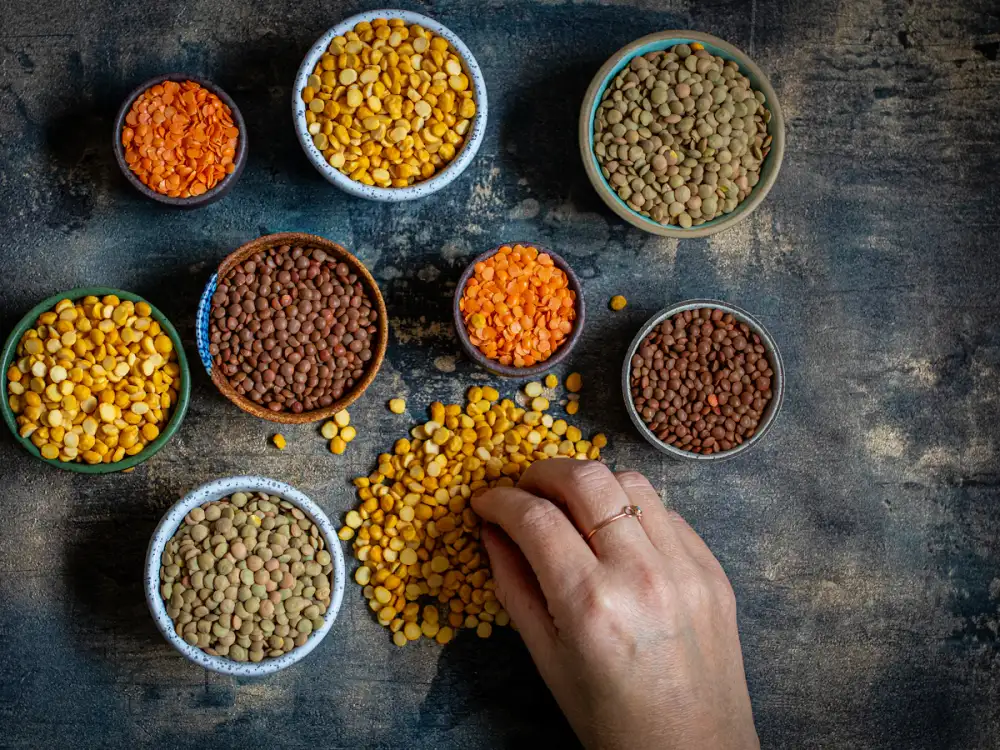
You decide to eat more beans, make a large bean salad, and spend the afternoon regretting it. That experience does not mean every pulse is off the menu forever. It also does not mean you should force yourself through significant pain because a food is described as healthy. This guide offers a practical way to review portions and routines. It is for ordinary food planning, not diagnosing irritable bowel syndrome or treating a new digestive problem.
Understand why gas can happen
The NIDDK guide to gas and diet explains that bacteria in the large intestine produce gas while breaking down some carbohydrates that were not fully digested earlier. Beans, peas and lentils are among foods that can increase symptoms for some people. This is not evidence that the food is toxic or that more discomfort means a more effective gut-health routine. People differ, and the amount and context of a meal matter.
Look at what changed together. A new lunch might contain a large amount of beans, more raw vegetables than usual, a fizzy drink and a hurried eating break. Changing every ingredient immediately makes it difficult to learn anything. Start by describing the meal and the symptoms without declaring one ingredient guilty. A brief note can be useful; an increasingly restrictive list based on guesses usually makes planning harder.
Start with a smaller addition to a familiar meal
The NIDDK constipation nutrition advice recommends adding fibre gradually. For ordinary meal planning, that can mean a small addition of beans to a meal you already know, rather than replacing the whole meal with a very large portion. There is no universal number of spoonfuls that suits every person. Choose a manageable amount, notice comfort, and avoid increasing it simply because a calendar says you should.
| What happened | A possible next step | What it cannot tell you |
|---|---|---|
| A much larger bean portion than usual | Try a smaller addition to a familiar meal | Whether you have a digestive condition |
| Several new high-fibre foods at once | Change one part of the meal at a time | Which ingredient caused symptoms from one meal alone |
| Symptoms keep returning | Take a short food-and-symptom record to a clinician | A diagnosis from an online food list |
Choose a meal format that makes the portion easy to adjust. A spoonful added to soup, a little mixed into a wrap, or a small side dish can be easier to manage than a recipe built almost entirely from pulses. Keep the rest of the meal satisfying. You are testing a workable addition, not seeing how little you can eat. Our fibre guide explains the broader pattern without making beans the only option.
Keep preparation simple and safe
Ready-cooked tinned pulses can simplify a first experiment because they remove the need to learn a new dried-bean cooking method at the same time. Follow package instructions, and rinse or drain when the recipe calls for it. This is not a guarantee that gas will disappear. If using dried beans, follow reliable instructions for the specific bean; do not assume a quick soak or gentle warming makes every variety ready to eat.
Taste and practicality matter too. Try seasoning a modest addition in a way you already enjoy rather than forcing down a plain bowl because it seems more virtuous. If you dislike one pulse, another meal format may be more appealing, but comfort still takes priority. Do not buy a large collection of products before finding one option that fits your household. Our plant-based iron guide offers other ingredients for varied meals.
Avoid turning one symptom into a permanent elimination diet
A low-FODMAP diet is not the default next step for everyone who notices gas after beans. Our low-FODMAP introduction explains why it is a structured approach for particular circumstances. If a clinician recommends it, ask about support and reintroduction rather than treating the first restriction list as a lifelong menu. Removing several food groups on your own can make it harder to keep meals varied and enjoyable.
The NHS bloating advice recommends medical advice for persistent or recurring symptoms, especially with other concerning changes. Seek care for blood in the stool, unexplained weight loss or significant ongoing pain rather than continuing food trials. Sudden severe abdominal pain or serious illness needs urgent assessment. A familiar ingredient does not prove that a new symptom is harmless, and an online guide cannot establish its cause.
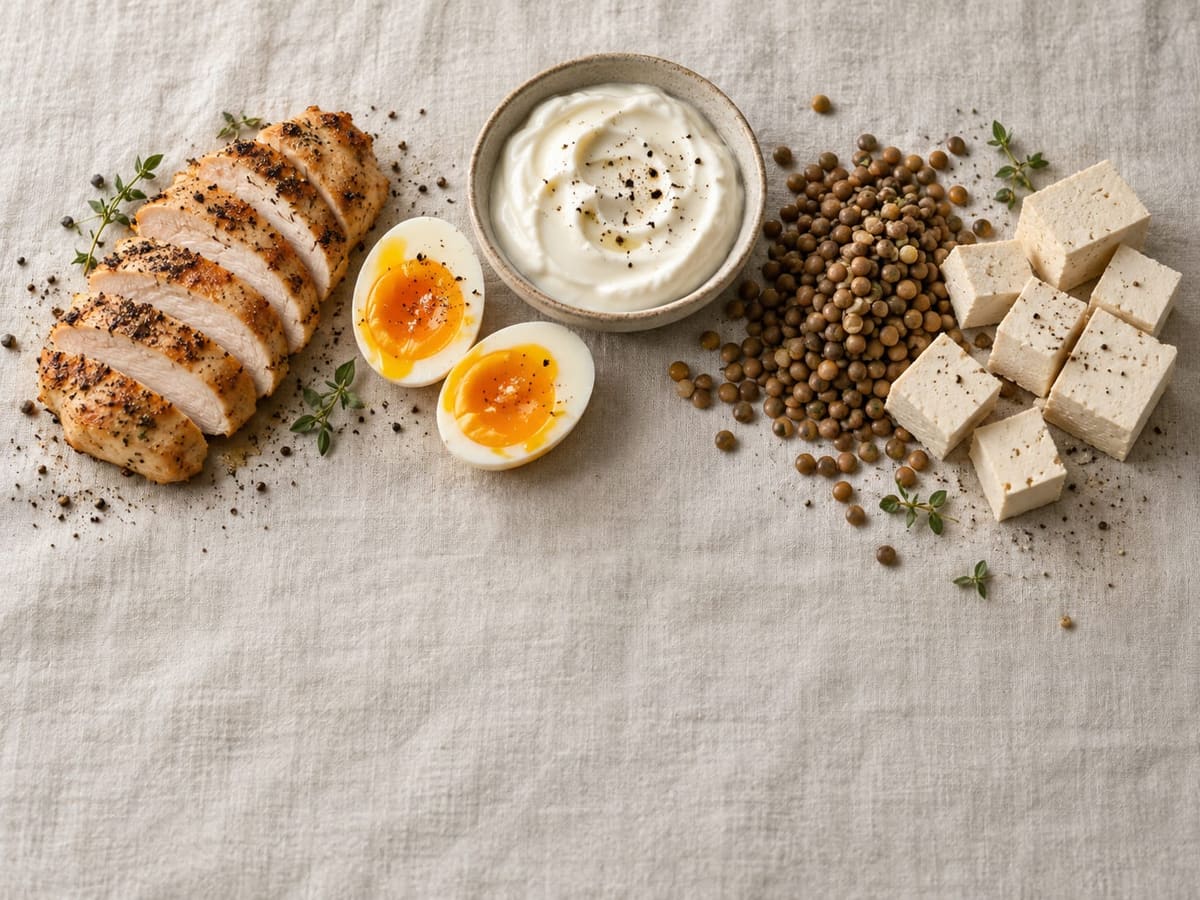
Choose a useful next step
If symptoms are mild and occasional, make one modest change to a familiar meal and review whether it is comfortable. Keep normal drinks and meals in the picture rather than adding multiple supplements or powders. If the same problem keeps interrupting your day, take your observations to a professional. Success may mean finding a portion you enjoy, choosing another useful food, or getting an underlying problem assessed. It does not require proving that you can tolerate the largest possible bowl of beans.
Common questions
Does gas from beans get better over time?
For many people, yes. In three US feeding studies, adults ate half a cup of beans a day for eight or 12 weeks. In the first week, about half of those eating pinto or baked beans reported more flatulence, compared with 19% of those eating black-eyed peas. Reports fell sharply over the following weeks, and most people who noticed more wind felt it eased by the second or third week. The researchers concluded that concerns about flatulence from beans may be exaggerated, though a small study cannot predict your own response.
What else can I try?
The NHS page on flatulence suggests eating smaller, more frequent meals, eating and drinking slowly, and exercising regularly to help digestion. It lists beans and lentils alongside foods such as cabbage, broccoli, onions, dried fruit and fizzy drinks as common causes of extra wind. See a GP if wind comes with persistent stomach pain and bloating, ongoing constipation or diarrhoea, unexplained weight loss or blood in your stool.
Try this week
0 of 3 doneSources
- Eating, diet and nutrition for gas. NIDDK.
- Eating, diet and nutrition for constipation. NIDDK.
- Bloating. NHS.
- Perceptions of flatulence from bean consumption among adults in 3 feeding studies. Nutrition Journal / PMC.
- Farting (flatulence). NHS.
Pass it on
XBlueskyEmail