Your gut microbiome, minus the hype
What the microbes in your gut do, what researchers still do not know and how food fits into the picture.
 Mei3 min read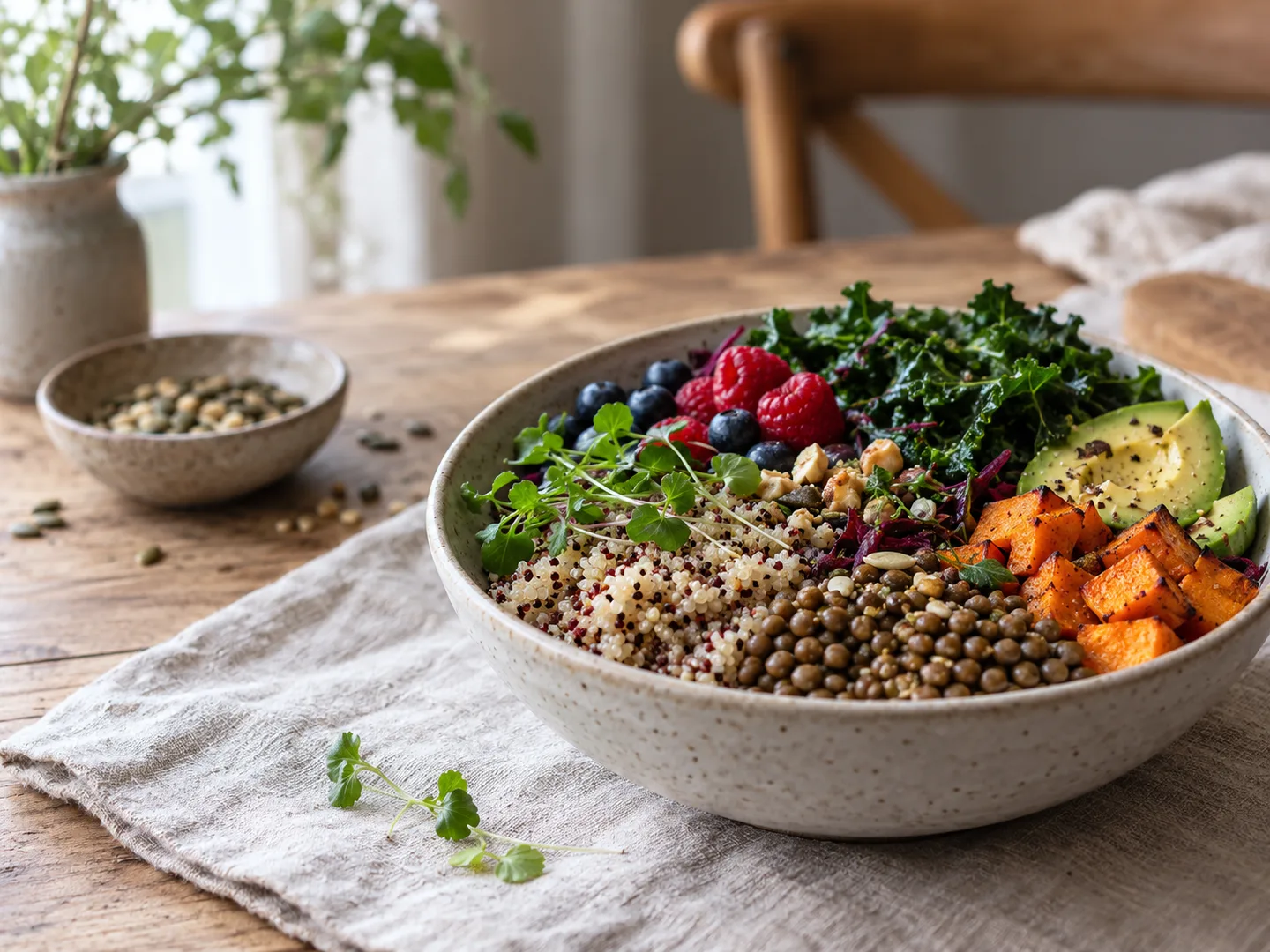
In this article
A kit promises to reveal your perfect diet from a sample of your stool. Another advert says a powder will fix your gut in seven days. The gut microbiome—the community of microorganisms living in the digestive tract—is real and worth studying. But a complicated, changing ecosystem is not a simple score you can optimise with one product. This guide explains what food can reasonably do, where the evidence is still developing and when gut symptoms need proper medical attention.
A community, not a single good-bacteria score
Microorganisms live throughout the body, with a large community in the gut. They interact with food components and with one another. Different people naturally have different communities, and a snapshot can change with diet, illness, medicines and time. There is no universal list of species that every healthy person must have in exactly the same proportions. NCCIH describes the gut as a complex community and cautions that evidence for many probiotic uses remains limited. That is a poor fit for adverts that treat diversity as a single magic number.
Research can find associations between microbes and health conditions. Association is not a diagnosis or proof that changing one bacterium will cure the condition. People with different diets, medicines and illnesses may have different microbiomes for many reasons. If a commercial test gives you a dramatic list of forbidden foods without a clear clinical reason, be cautious. Avoiding a wide range of foods can make eating harder and may remove foods you enjoy and tolerate well. A professional evaluation is more useful for persistent symptoms than a generic supplement subscription.
Food is a sensible place to start
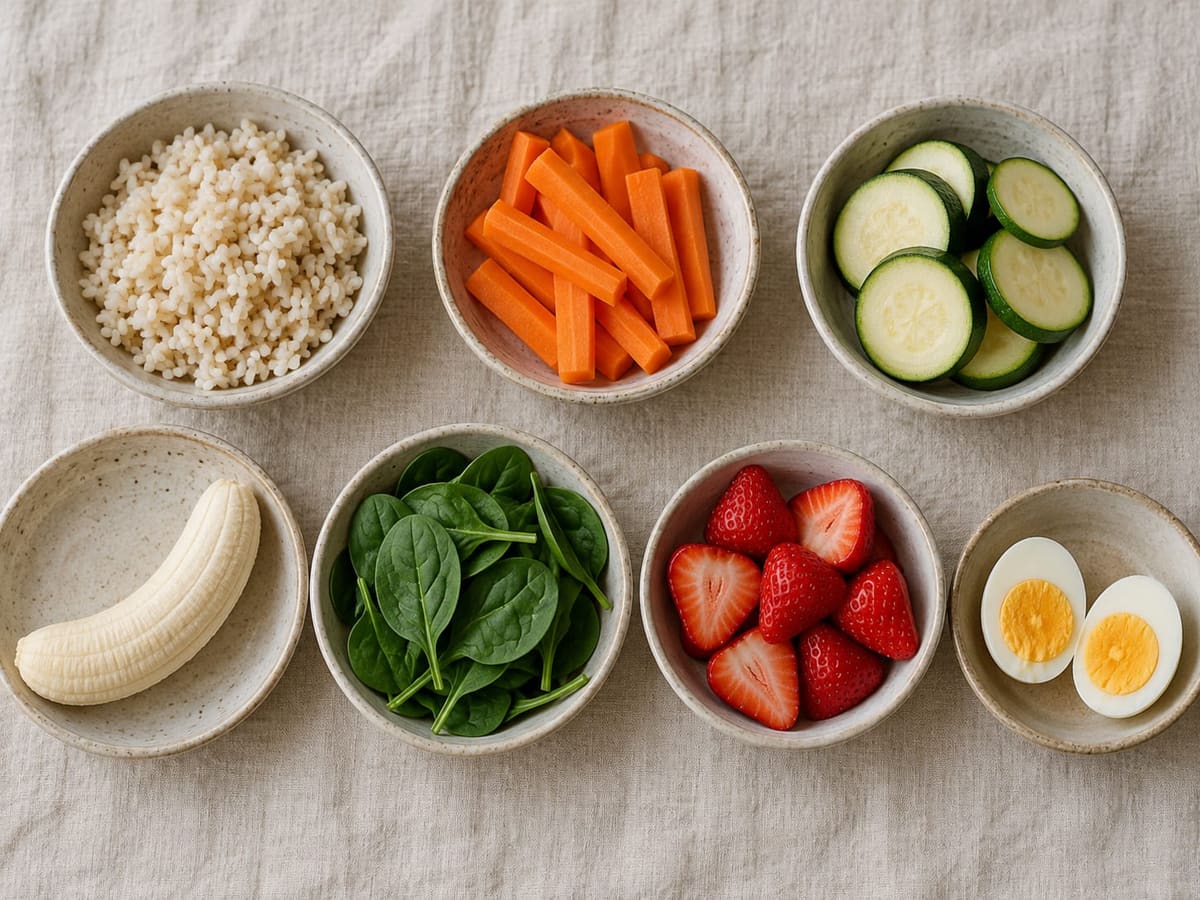
Plant foods bring fibres and other compounds that people do not digest in the same way as simple sugars. Gut microorganisms can use some of these. A varied eating pattern is therefore a reasonable general goal even though we cannot predict an individual's exact microbiome response from one dinner. The NHS recommends fibre from a variety of sources, such as whole grains, vegetables, fruit and pulses. Our fibre guide shows how to add them gradually rather than turning every meal into a high-fibre challenge.
If a sudden change causes bloating, it does not prove your gut is unhealthy. Portion size, the particular food, speed of change and a digestive condition can all matter. Keep a pattern that feels comfortable and discuss recurring symptoms with a clinician or dietitian. Our low-FODMAP guide explains why restriction for irritable bowel syndrome is a structured, temporary process with professional support, not a general gut-health diet for everyone. The aim is to build tolerance and variety where possible.
Probiotics and fermented foods are different questions
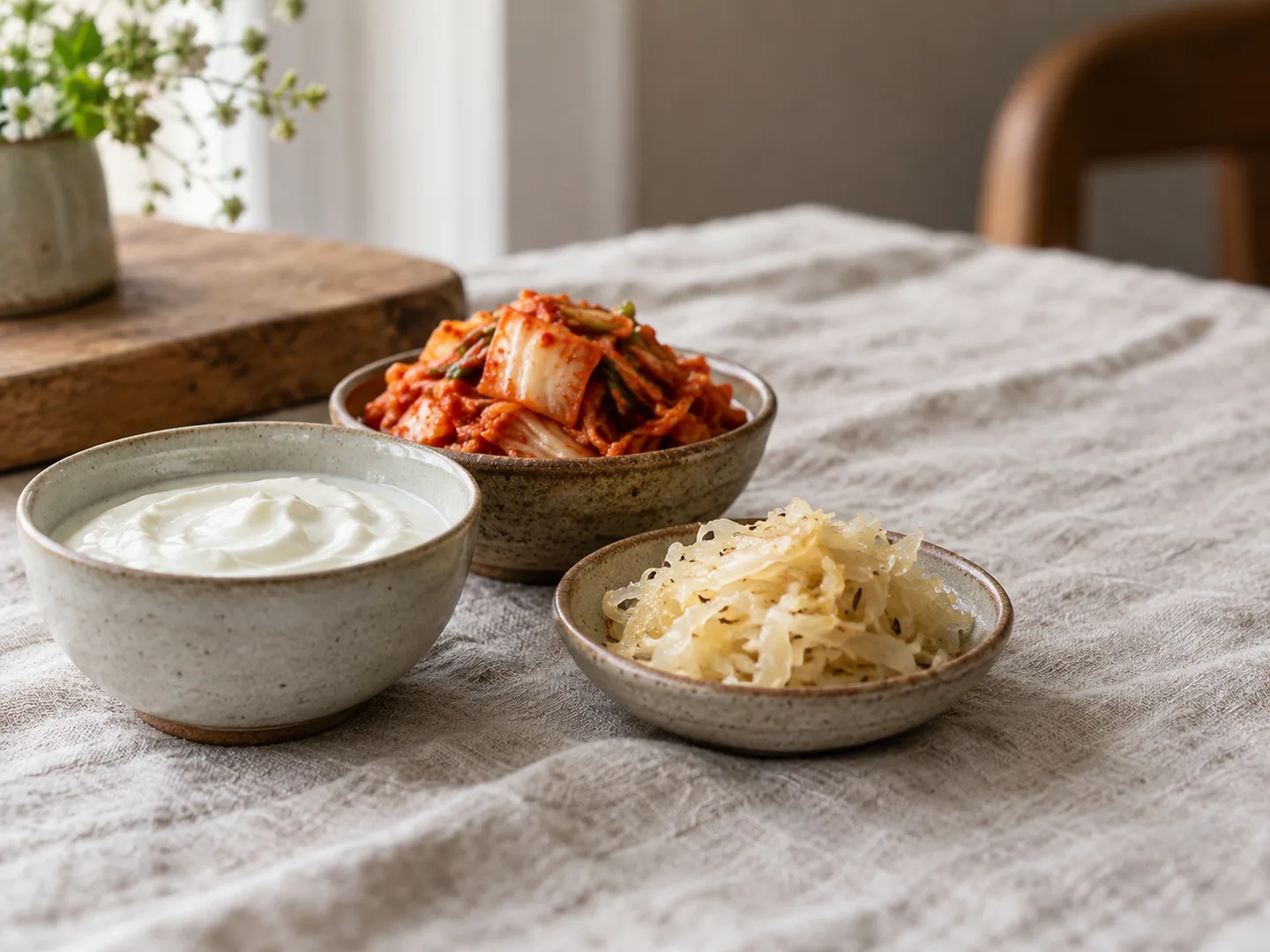
A probiotic is a microorganism shown to provide a health benefit in a particular context, not simply any live microbe in a jar. Products differ by strain, dose and intended use. NIH's Office of Dietary Supplements notes that some fermented foods contain microorganisms, while not every fermented product has proven probiotic benefits. This is why a claim about one studied strain cannot be transferred to every yoghurt, kombucha or capsule. Our fermented-food guide gives the practical version without a miracle narrative.
People with serious illness or impaired immunity should ask a healthcare professional before taking probiotic supplements. Even for healthy people, a food can be enjoyed for taste and nutritional value without a claim that it repairs the microbiome. Many fermented foods are salty or sweet, and some contain alcohol; labels and portions still matter. If you like a product and tolerate it, it may fit your diet. If you do not, you are not missing a required health ritual.
What to do this week
Choose one plant food you already enjoy and use it in a meal twice this week. It might be oats, berries, beans, cooked vegetables or a wholegrain bread. Add it gradually if your gut is sensitive, and note comfort rather than chasing an app score. If symptoms are persistent, severe, new or accompanied by bleeding, unintended weight loss or other worrying changes, seek medical advice. Microbiome research is exciting, but ordinary variety and appropriate care are more dependable guides than a promise to reset your gut by Friday.
A food diary can be useful when discussing symptoms with a clinician, but it should not become a permanent list of feared ingredients. Record what you ate and what happened, then use that information to ask better questions. A single uncomfortable day rarely identifies a cause by itself.
Sources
- 5 Things To Know About Probiotics. NCCIH.
- Probiotics: Consumer Fact Sheet. NIH Office of Dietary Supplements.
- How to get more fibre into your diet. NHS.
Pass it on
XBlueskyEmail