Which type of fibre helps when you feel bloated?
Psyllium, bran and a large bowl of beans do not behave alike. Learn what the evidence says and how to change portions without making symptoms worse.
 Mei5 min read

A packet says a food is high in fibre, so you add a generous portion. By evening your stomach feels worse. It is tempting to conclude that fibre is bad for you, or that one type must be the cure. Neither conclusion follows from one uncomfortable meal. The kind of fibre, the amount, the rest of the meal and your own symptoms all deserve a closer look.
The label is only the first distinction
Soluble fibre dissolves or disperses in water; insoluble fibre does not. But two soluble fibres can behave very differently in the bowel. Some form a gel and ferment slowly. Others are broken down more readily by gut bacteria. Fermentation can produce gas, so calling all soluble fibre gentle and all insoluble fibre harsh is too simple. The food matrix, preparation and portion size also change the experience.
The NIDDK advice on IBS[3] says soluble fibre may help symptoms and recommends increasing fibre slowly to reduce gas and bloating. That is a practical starting point, not a diagnosis. A person with constipation, someone with diarrhoea and someone with pain after nearly every meal may need different plans. If you have never had your symptoms assessed, a supplement aisle is a poor substitute for that first conversation.
| What you notice | A useful question | A careful next step |
|---|---|---|
| Gas after a sudden high-fibre meal | Was the portion much larger than usual? | Return to a familiar amount and build gradually |
| Symptoms after wheat bran | Would a different fibre be better tolerated? | Discuss a trial of psyllium if IBS is diagnosed |
| Persistent pain or changing bowel habits | Could something else be going on? | Seek clinical assessment rather than adding more fibre |
What the psyllium and bran trials show
A primary-care trial involving 275 adults with IBS[1] compared psyllium, wheat bran and placebo for twelve weeks. Psyllium improved the chance of symptom relief early in the study and reduced symptom severity more than placebo by three months. Bran did not show the same consistent benefit, and early dropout was most common in the bran group, often because symptoms worsened. This does not prove that bran harms everyone, but it does explain why recommending 'more roughage' to every person with IBS can backfire.
A systematic review of fibre supplements in IBS[2] also found a clearer signal for soluble fibre than insoluble fibre. Reviews pool studies with different products, doses and participant groups, so the result should not be read as a promise that every soluble-fibre product works. Psyllium is a specific ingredient, not a synonym for the entire soluble category. Ask which fibre was actually tested before buying something labelled 'gut friendly'.
Why a healthy food can still cause gas
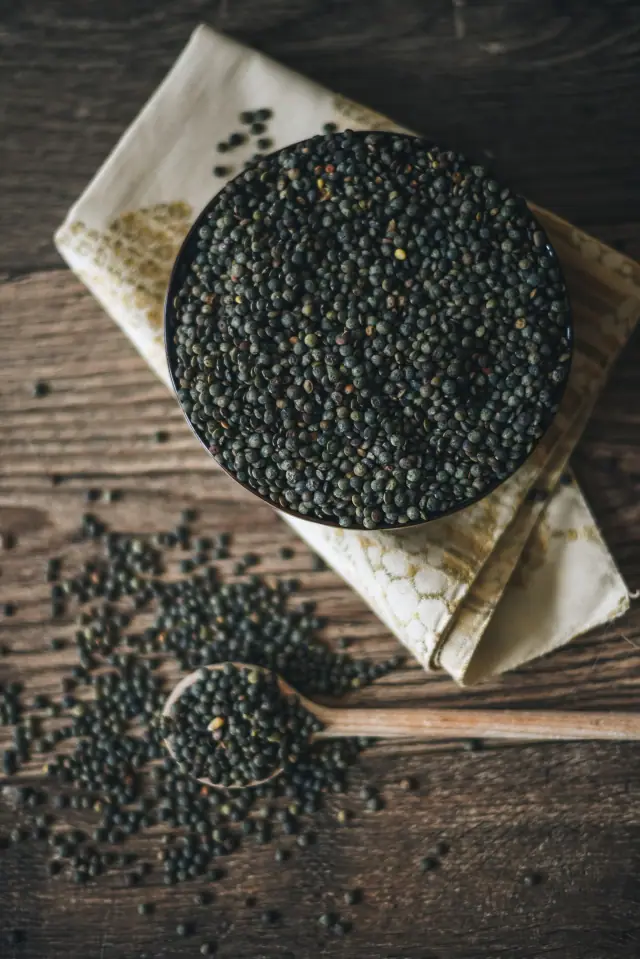
Beans, onions, some fruits and whole grains contain different carbohydrates and fibres. Gut bacteria can break down some of them and produce gas. The NIDDK explanation of digestive gas[4] lists food and drink patterns among possible contributors, but symptoms also vary between people. A new bean salad may bring a larger fibre portion, a fizzy drink and a rushed lunch at the same time. Blaming one ingredient immediately can send you into unnecessary restrictions.
If you want to learn what agrees with you, keep the meal familiar and change only the fibre portion. For example, put a small spoonful of cooked lentils beside your usual rice and vegetables instead of replacing lunch with a huge bean salad. Note roughly how much you ate and how you felt that day; compare a few occasions rather than judging one meal. Do not keep increasing a serving through significant pain. Our beans and bloating guide follows that food example, while the low-FODMAP introduction explains why a structured exclusion diet needs more care than a quick internet list.
A more comfortable way to add fibre
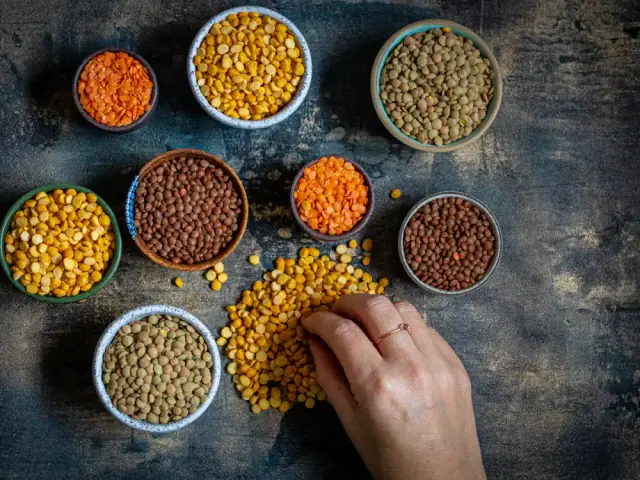
The NHS guide to getting more fibre[5] encourages a range of foods, including fruit, vegetables, pulses and whole grains. For a person whose current intake is low, that can mean adding one familiar food to one meal and allowing time to adjust, rather than trying to reach a headline number tomorrow. Drink normally, follow any prescribed fluid advice and consider whether the meal is large enough to feel satisfying without becoming a fibre challenge.
Food and supplements have different roles. An oat breakfast or a small serving of lentils offers a meal, not just an isolated fibre. A psyllium product may be useful for a particular symptom pattern, but follow the product directions and ask a clinician or pharmacist about medicines and medical conditions. Fibre can affect how some medicines are taken, and more is not always better. If your symptoms began after a new medicine, mention that rather than only changing breakfast.
When bloating should be assessed
Seek medical advice for bloating that persists or repeatedly disrupts life, especially with blood in stool, unexplained weight loss, vomiting or significant pain. Sudden severe pain or serious illness needs urgent assessment. A food diary can help describe the pattern, but it cannot rule out a medical cause. Someone with a diagnosed bowel condition may also need advice that differs from general fibre guidance.
The point is not to win a debate between two fibre categories. It is to make meals more comfortable and varied while recognising when self-experimenting has reached its limit. A smaller serving you enjoy is more useful than a supplement that makes you dread lunch.
Try this week
0 of 3 doneSources
- Psyllium versus bran in irritable bowel syndrome: randomised trial. BMJ.
- Fibre supplementation in irritable bowel syndrome: systematic review. Alimentary Pharmacology & Therapeutics.
- Eating, diet, and nutrition for IBS. NIDDK.
- Symptoms and causes of gas in the digestive tract. NIDDK.
- How to get more fibre into your diet. NHS.
Pass it on
XBlueskyEmail